Find Your Nearest Timberwise

Structural Repairs

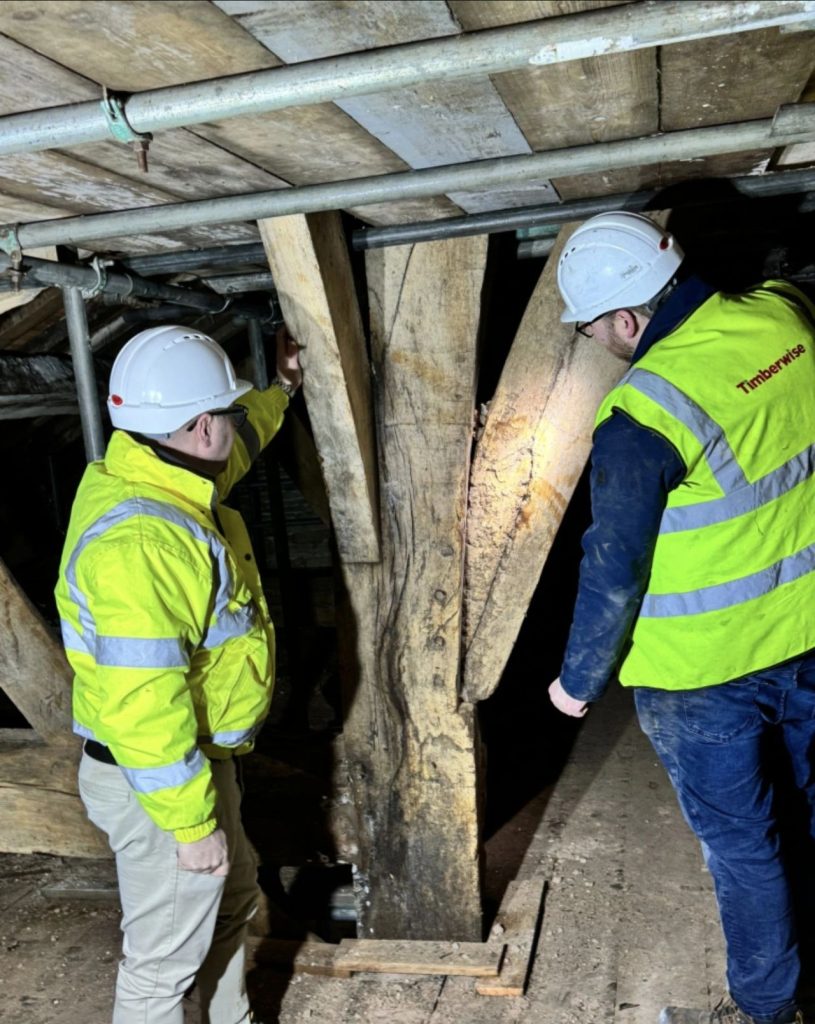
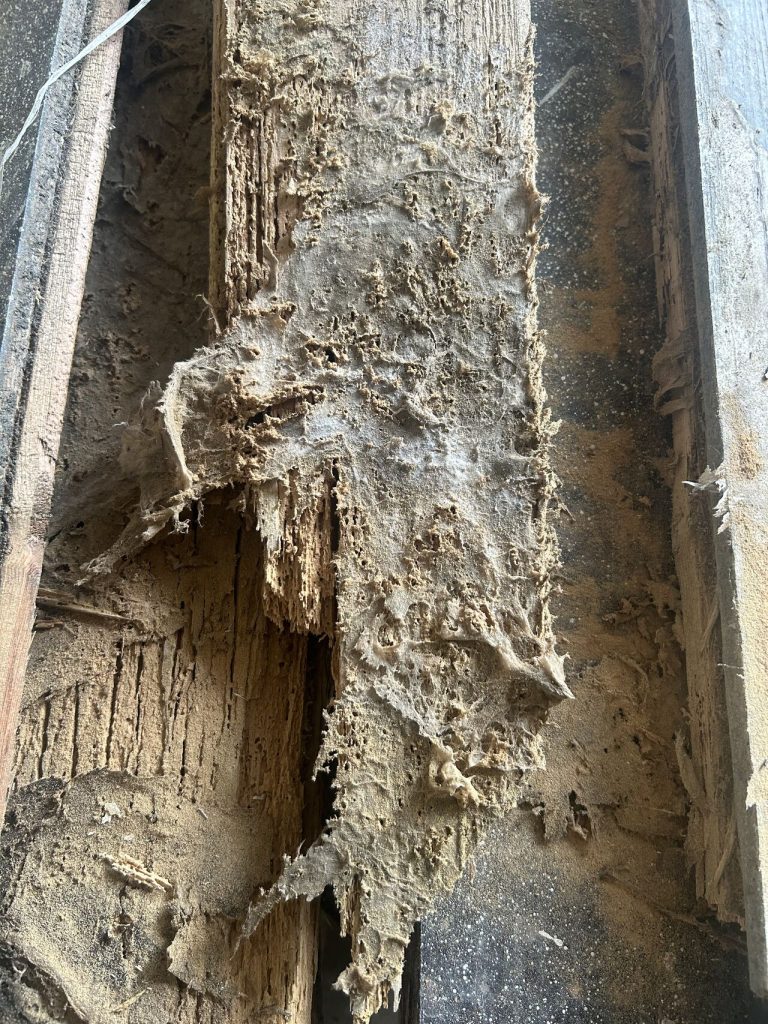
Severe dry rot damage in a property in Lincoln

7 Early Warning Signs of Property Deterioration in Commercial Buildings

For property managers, knowing the early warning signs of property deterioration in your  commercial building is key to ensuring your business avoids costly repairs and continues to  work at maximum output. While a lot of problems stay hidden until they become major,  noticeable issues, there are a few early warning signs that can be spotted

7 Early Warning Signs of Property Deterioration in Commercial Buildings Read More »
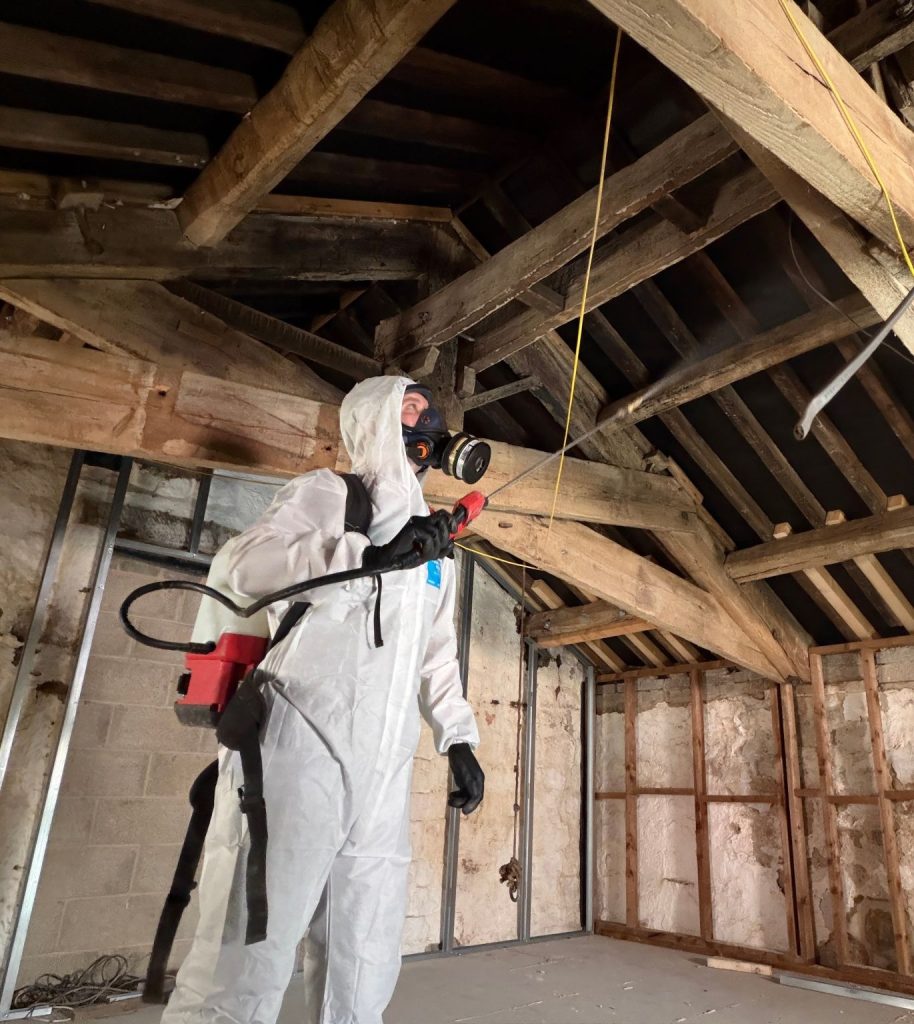
insecticidal spray treatment

Why Damaged Structural Timber Should Never Be Ignored

Structural timber is literally the framework of any building, providing critical support for floors, roofs, staircases, and internal framing. This timber can become damaged and weakened over time, from general wear and tear to specific damage from certain events.  It can be easy or tempting to put off repairing damage once it’s been detected, particularly if the problem is

Why Damaged Structural Timber Should Never Be Ignored Read More »

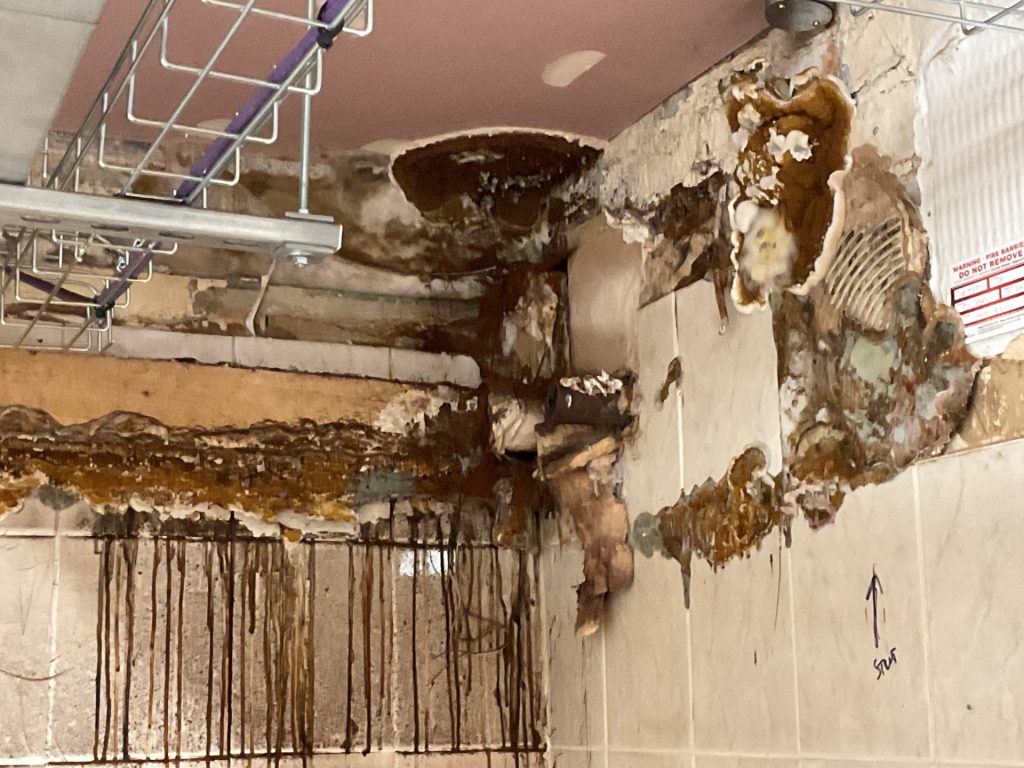
Structural Timber Assessment in Essex

Why Commercial Structural Repair Costs Escalate (And How to Avoid It)

Commercial structural repair costs can rapidly snowball for a variety of reasons, often when people or organisations decide to delay maintenance if the budget is too tight; this means that problems that were once minor can significantly worsen over time. Inflation in the price of materials and labour are also frequent, as well as operational

Why Commercial Structural Repair Costs Escalate (And How to Avoid It) Read More »

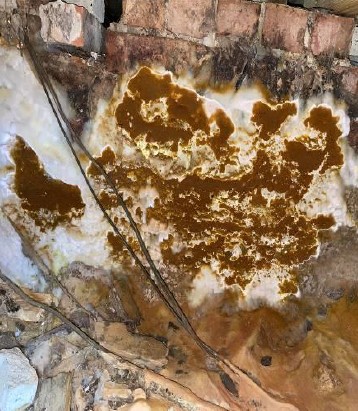
dry rot fungal decay in a sub-floor void

How Moisture Causes Timber Decay in UK Homes

Timber is one of the most integral materials used in construction. Despite advancements in construction technology and materials, timber remains an ever-present in many new builds today, from structural components to decorative finishes. However, timber’s durability depends on it remaining dry. Moisture is the single biggest cause of structural timber deterioration in UK properties. Excess

How Moisture Causes Timber Decay in UK Homes Read More »

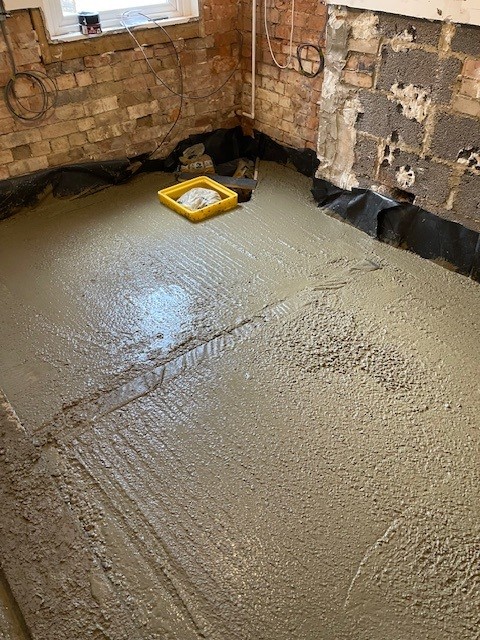
A freshly poured concrete slab

DIY Concrete Repair Techniques: What You Can Fix Yourself (and What You Shouldn’t)

Concrete is one of the most durable construction materials used in modern buildings, but that doesn’t mean it’s immune to damage. Over time, concrete structures can develop cracks, surface deterioration, and other defects caused by weather exposure, moisture ingress, ageing, and structural movement. When these issues appear, many homeowners understandably look for DIY solutions. While

DIY Concrete Repair Techniques: What You Can Fix Yourself (and What You Shouldn’t) Read More »

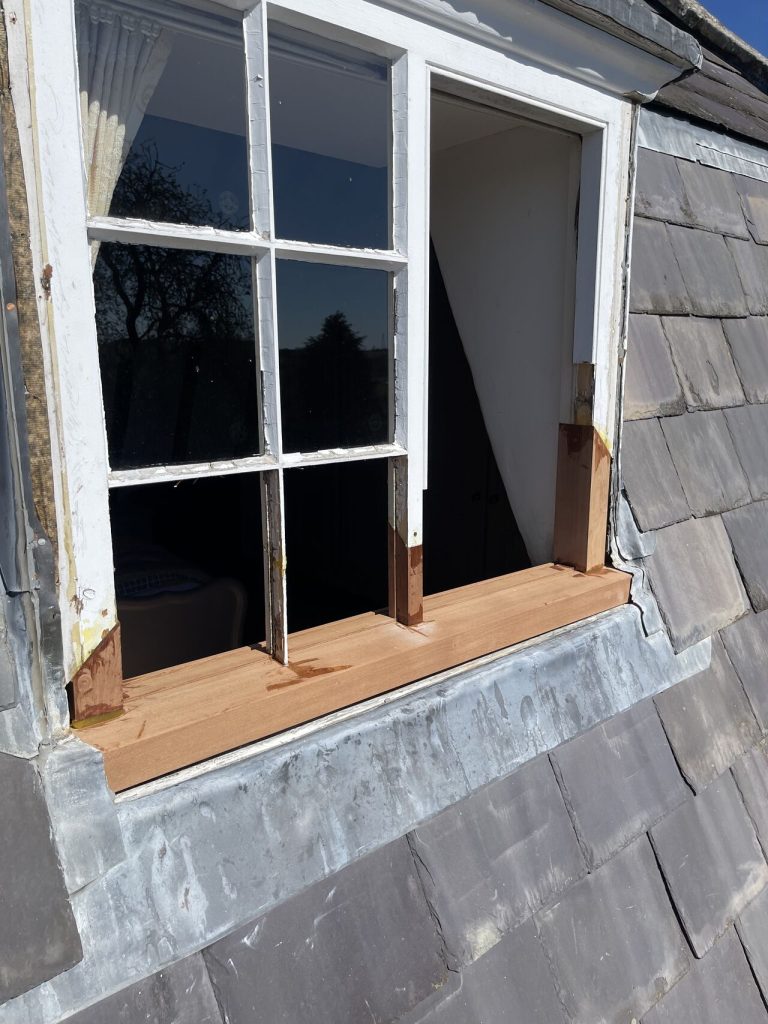
Timber window repairs

Is it Better to Repair or Replace My Timber Windows?

Despite the introduction of uPVC window solutions, timber windows remain a key feature in many contemporary buildings even today. From heritage properties to new-builds, timber windows present a choice that can be both stylish and practical. Timber windows are a sturdy option for any property, and are known for the insulative properties. Timber windows can

Is it Better to Repair or Replace My Timber Windows? Read More »

A new cavity wall tie during construction of a wall

Wall Tie Failure and Structural Damage: What You Need to Know

Cavity wall structures have been a mainstay of British construction since the 1930s. Cavity walls replaced solid masonry walls in many cases, aiming to improve insulation and reduce damp within properties. The lynchpin of this method is the cavity wall tie, which provides structural stability to both sides of a cavity wall. When a wall

Wall Tie Failure and Structural Damage: What You Need to Know Read More »

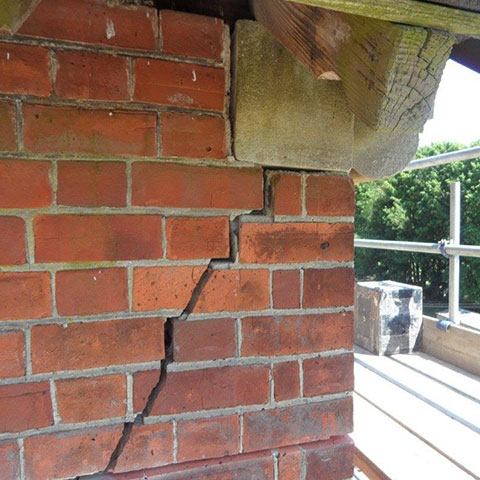
Diagonal cracking in brickwork

Subsidence and Structural Movement: How to Tell the Difference

If you’re a property owner, chances are you’ve come across subsidence before. Whether you’ve received the home buyer’s report for your prospective first home, or you’re buying the next development property for your growing portfolio, subsidence and structural movement are usually two of the most important issues a surveyor will look for in any property.

Subsidence and Structural Movement: How to Tell the Difference Read More »

Exposed floor joists and brickwork repairs in a property in Yeovil

Signs Your Home Needs Structural Repairs: A Complete UK Guide

Most structural problems in homes do not start with dramatic movement or collapse. They begin with small, easily overlooked warning signs: hairline cracks, doors that begin to stick, uneven floors, or subtle bulging in walls. Recognising these early signs of structural damage can prevent far more serious and costly issues later. Across the UK, properties

Signs Your Home Needs Structural Repairs: A Complete UK Guide Read More »

Timberwise (UK) Limited is an Introducer Appointed Representative (Financial Services Register No. 418778) of Phoenix Financial Consultants Limited (Phoenix). Phoenix is a credit broker, not a lender. Phoenix is authorised and regulated by the Financial Conduct Authority (FRN: 539195), and offers finance from its panel of lenders. All finance subject to status and credit checks.