

We’ve all been there. At some point, we noticed that condensation had been building up in our homes. A minor nuisance some of the time and usually wiped away with a cloth or left to dry naturally, we often think: I can probably just ignore this. But should we?
The answer, put simply, is no. Ignoring condensation often results in it building up over time and becoming a much larger – and more expensive – problem.
What Is The Problem With Condensation?
Condensation happens whenever warm, moisture laden air comes into contact with a cold surface, creating water droplets. Almost every home gets condensation, with activities such as bathing and cooking causing steam.
The problem though is if it is not properly managed or an area is not dried out properly, it will continue to build up over time and cause walls to feel cold and damp. Further down the line, it can cause black spot mould growth.
Condensation can also make the whole room feel cold and damp, making it an unpleasant experience to exist in.
What Happens When I Ignore Condensation?
When you repeatedly ignore condensation and leave it to go unchecked, it will begin to saturate walls, leaving them damp and unable to dry as easily – especially if it is a room that frequently deals with steam, like bathrooms and kitchens.
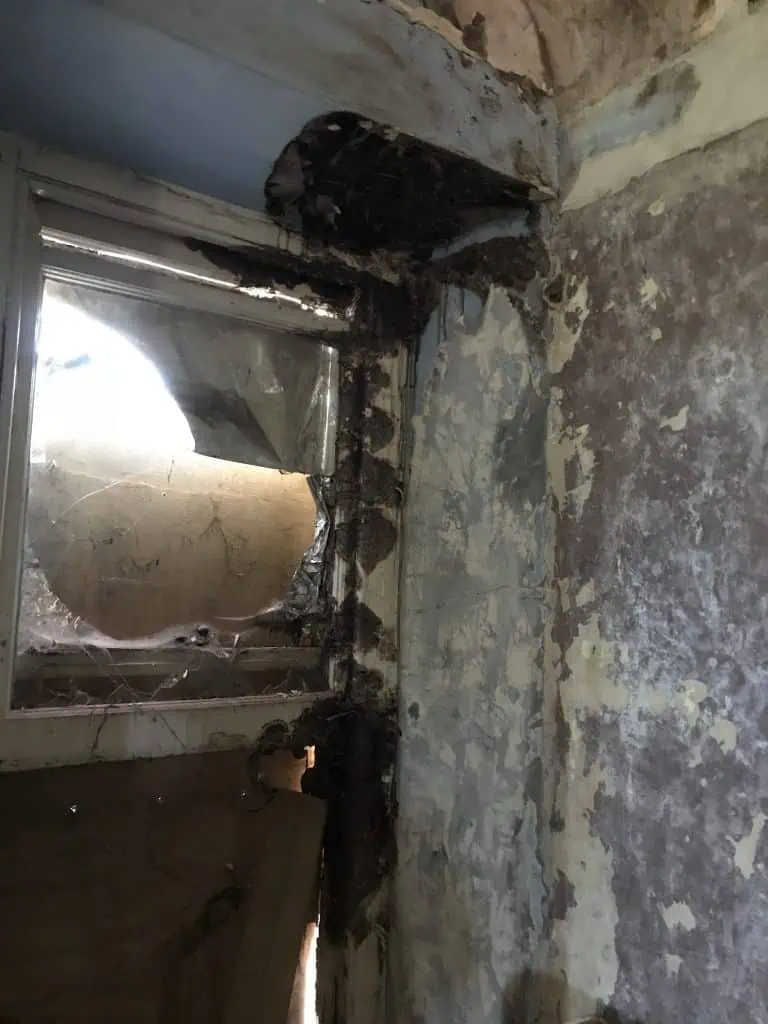
Black spot mould growth will begin to grow and take over, which is generally unpleasant to smell and look at and can damage whatever it comes into contact with, such as wallpaper, curtains, carpets, and other soft furnishings. It creates an unhealthy and horrible atmosphere to live in and can lead to having an adverse effect on mental health and wellbeing.
Black mould is also dangerous for people’s physical health, particularly if they are in a vulnerable group, such as people with chronic and long-term illnesses (such as asthma and other respiratory illnesses), young children, and the elderly. Mould spores often trigger allergies, causing sensitive folk to cough and sneeze.
If it is left unchecked and continues on, it can begin to cause significant damage to your property’s integrity. It can lead to key areas such as window frames and bays to rot, which would need a costly replacement. It can also lead to peeling and bubbling paint which often needs a full replacement once it gets to that point.
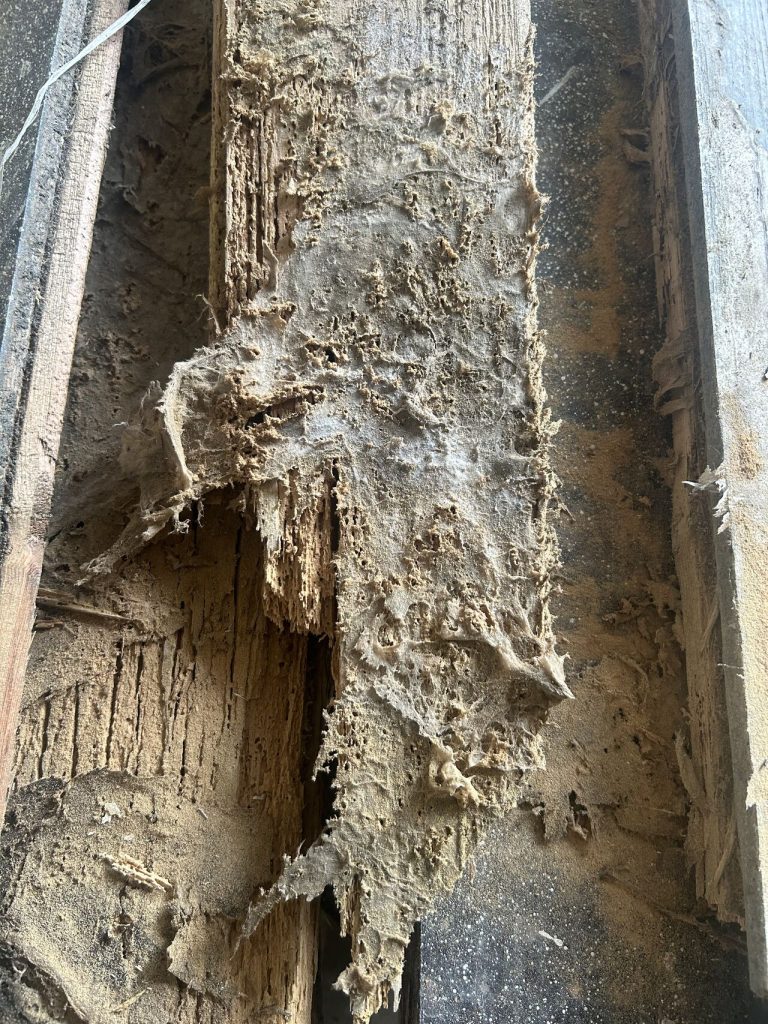
Timbers of a property can also be affected in particularly severe conditions, if enough moisture builds up on walls and ceilings, it can seep into building materials and cause damp. If timber remains damp for a long enough period, it can begin to decay and become vulnerable to rot or woodworm.
How To Reduce Condensation
Reducing immediate condensation build up in a building can be done by modifying your behaviour in relatively small ways.
- Opening windows during showers and whilst cooking, which allows for the majority of the steam to escape. You should also keep them open for about 15 to 20 minutes after as well, to ensure the area is fully ventilated out.
- During the winter, put the heating on to make sure the house is warm and able to dry out during damper, colder months.
- Avoid drying clothes indoors; obviously, this is something that can’t always be avoided, but, having a dryer or being able to dry clothes in a garden wherever possible is a great help.
- Keep lids over pans of boiling liquids when cooking.
You can take steps to mitigate condensation, but more often than not a proper long-term solution requires more intensive work done to a property.
Damp patches might not always be down to condensation either and it’s very possible to have both in your house without being able to tell the difference. Damp patches that get more prominent after a period of heavy rainfall is often not down to condensation and is usually a cause for concern. If you have damp, cold patches in your home, it could be down to rising or penetrating damp.
In these instances, it is best to call in a professional. They will be able to differentiate between condensation or damp and give you tailored advice on how to remediate the issue.
Summary
Occasional condensation that occurs from certain activities, like cooking or taking a 40 minute shower isn’t usually cause for alarm. It is regular, persistent condensation that builds up over time and leaves visible damage (such as peeling paint or black spot mould) that is a problem that needs addressing.
Dampness in homes isn’t always caused by condensation either. Persistent or unexplained condensation and damp that can’t be attributed to basic living activities is usually caused by an underlying problem which needs further investigation.
If you have persistent condensation you can’t seem to get rid of or you think you have a damp problem but aren’t sure what the cause is, book a survey with us today. Our trained surveyors can do a full assessment of your property and help you work out the root cause and a tailored solution to tackle the problem.