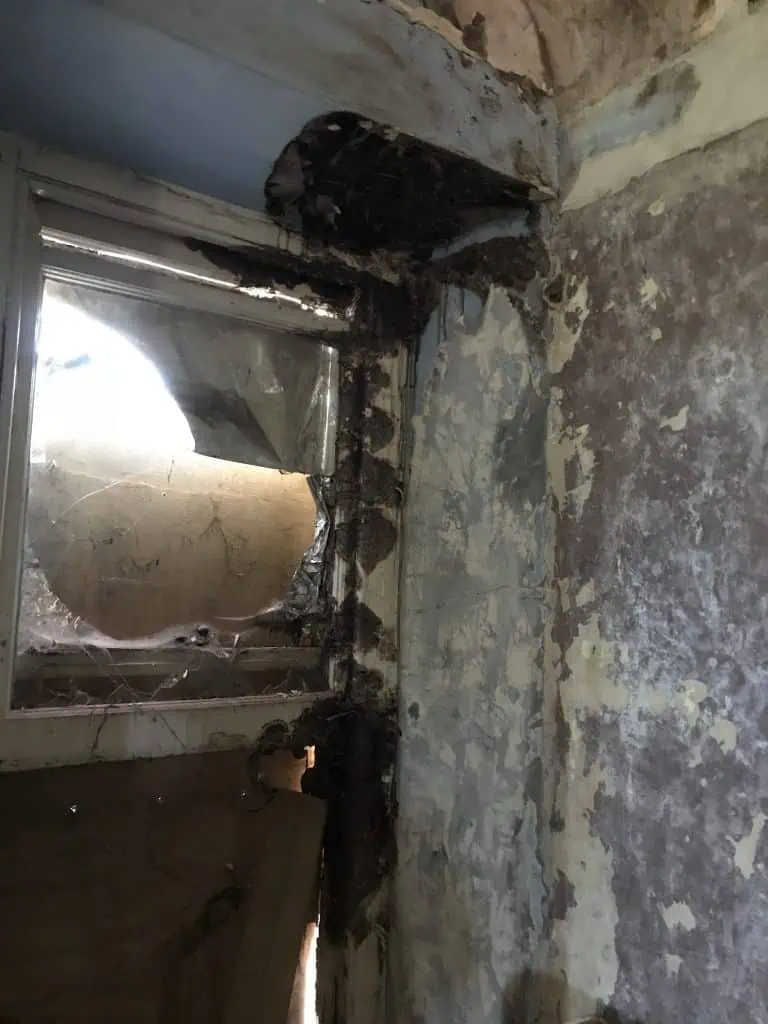


Having a checklist for commercial building maintenance is instrumental in ensuring that a building is working at optimum capacity, with issues quickly detected and resolved and employee comfort maintained. Introducing a checklist for property managers enables managers to keep closer track of a property’s integrity and can help them stay on top of any works that need to be done, with clear transparency for everyone involved.
Checklists are generally considered best practice as they help keep a general log of a property, as well as any defects that occur within it. Defects can be marked down as soon as they’re found, and remediation works can begin quickly, with clear documentation already recorded about the issue which is helpful when relaying the nature of the problem to external companies hired to fix it.
Staying on top of property maintenance should be proactive rather than reactive. The risks of ignoring small maintenance issues can be tempting , but left unchecked these small problems can quickly lead to structural damage and more expensive repairs, which can in turn disrupt the flow of business, present health and safety concerns for your employees, and even reduce your property’s value.
A checklist is a great way to condense down everything that needs to be routinely inspected to maintain your property is well protected. It allows for a clear paper trail, making administrative and audit work much easier. Find our recommendations below.
Exterior Building Maintenance
Roofs
Roofs are a common cause for a lot of structural and moisture issues that occur inside a property. Damaged, missing, and slipped tiles are often a common cause of water ingress inside a building, with the level of damage inside often snowballing quickly into problems that need major repair, such as heavily decayed timber, wet rot, and woodworm.
Property managers should inspect flashings and roof joints, and ensure gutters and downpipes are cleared of any debris and are flowing freely. Any deterioration must be noted, along with any notable staining and damp patches near the roof.
Exterior Walls
You should also look for signs associated with penetrating damp. Common signs include moss growth and damaged brickwork, such as gaps and deterioration in the stonework and rendering. Parts of the building that have vegetation growing can also be an entry point for water ingress and should be monitored.
For more telltale penetrating damp signs, read our blog which covers it in depth here.
Windows and Doorframes
Entry points into a building are also a key entrance for water. As a property manager, it’s important to regularly inspect frames for any rot or deterioration. Seals for doors and windows should be watertight and occupants should be able to open and close them correctly. Another tell tale sign of water ingress and damp is condensation and water damage.
Damp and Moisture Maintenance
Damp and moisture are a leading factor in causing damage to a property. Water ingress can break down structural materials, cause fungal decay, and create an avenue for pest activity. Materials like timber can be particularly susceptible to decay if exposed to prolonged bouts of moisture, and structural steel can become significantly weaker over time as it rusts.
There are three types of damp to be aware of when conducting property maintenance: condensation, penetrating damp, and rising damp. It is always important to figure out the exact source of any moisture ingress, as certain smaller problems can often end up hiding much larger ones.
For example, water on a windowsill can be attributed to condensation and be resolved by fixing the immediate problems in that area, but might have actually arisen due to a penetrating damp issue, because of a broken frame or lintel.
As a property manager, you should proactively look for mould growth and make note of any reported musty smells which is a telltale sign of damp. Inspect areas around plumbing works, bathrooms, and kitchens which are often the source of leaks.
Basements are also highly at risk of water ingress and need careful planning and construction in order to remain watertight and ensure they are safe for storage and work use.
Ventilation should be continuously maintained throughout the property. Humidity meters are a great way to keep track of levels of moisture in the building and be beneficial when conducting property checks.
If you’re unsure about what to look out for and what types of water ingress there are, make sure to read more about water ingress here. It’s important to have problems associated with damp and moisture assessed by professionals, as they can more accurately assess the situation and find the true root cause. You can book a free survey with us for this here.
Structural Timber Inspection
Damaged timber is an often critically overlooked part of property checks.
Property managers should keep a keen eye out for damaged structural timber, looking for noticeable signs of deterioration, discolouration, fungal growth, cracks, and so on. Damaged or weakened timber often has a soft, “spongelike” feel to it.
Left unchecked, small signs of timber decay can escalate into seriously deteriorated timber, which leads to sagging floors, roofs, and ceilings. Any unusual movement or noticeable changes are a serious cause of concern and often indicate that the timber behind has moved past small-scale repairs and into large-scale replacements, which run at a far greater cost.
For more on why structural timber damage and decay should never be ignored, check out our in depth guide on it here.
Woodworm and Insects
Pest activity is a huge concern in the workplace as it can damage property, threaten employee health, and create legal and financial liabilities. insects can have severe negative effects that disrupt a business’ operations and can cause reputational damage. Property managers should routinely inspect for all types of pest activity and deploy mitigating or preventative steps wherever possible.
Woodworm is a leading cause in timber decay and can significantly weaken a property’s structure over time if left unchecked. You can find out more about the different types of woodworm in the UK here.
Property managers should be aware of wood-boring insects and be able to spot signs as they arise. You should inspect exposed timber or any other accessible timber for insect activity, looking for signs such as:
- Weak or damaged timber
- Small exit holes
- Bore dust/”frass” – the dust produced as an insect chews through wood
Plumbing and Drainage
Inadequate plumbing and drainage can quickly cause leaks that can negatively impact other parts of the building very quickly. The damage from leaks can be devastating and can disrupt or halt business altogether, depending on severity. This results in lost business, temporary replacement of staff, and a rather costly plumbing bill. To mitigate this, plumbing and subsequent drainage must also be checked.
Checklists should include:
- Examining pipework for leaks
- Joints and connections inspected
- Communal areas such as kitchens and bathrooms checked for water stains, leaks, and odd smells
- Blocked drains quickly unblocked
- External drainage and gullies
- Ensuring rainwater is being directed away from the building and not accumulating in one place
Heating and Ventilation
Aside from keeping your employees healthy and happy, heating and ventilation are also instrumental in maintaining a commercial property’s function and longevity. Adequately heated and ventilated spaces can reduce condensation and damp and ensure the property stays dry no matter the weather.
Checks should include having heating systems regularly serviced, radiators and pipes frequently checked, ventilation systems deployed and also regularly serviced and checked, extractor fans looked at to make sure they are functioning correctly, and any other ventilation options checked on to make sure they still offer clear lines of ventilation on a property Also, any air conditioning units should also be maintained and made sure they are draining correctly. Ventilation should not be obstructed at any point in a property.
Electrical Systems
Electrical systems should be constantly working optimally and safely. Any defects or problems should be reported and resolved immediately to ensure the occupants’ safety remains intact whilst working within the building. Good practice would be to arrange for a professional inspection and testing at regular points throughout the year.
As a property manager, your job is to routinely check cables and sockets for damage, look for signs of overheating, and ensure all electrical cupboards are accessible and unobstructed. These checks should be kept well recorded, along with any remedial work that is done.
For more information on safety and maintenance pertaining to electrical systems, we strongly suggest you consult with a licensed professional.
Internal Building Fabric
A building’s internal fabrics and fittings can prevent safety hazards if loose or broken. They can also be indicators of larger problems, such as major leaks, damp, or decay. Peeling paint and cold damp feeling to walls is usually a sign of water ingress. Cracking or movement of walls can also indicate severe structural damage behind the walls.
It’s important to factor these things into your checklist:
- Ceilings should be checked for staining, cracking or movement
- Check walls for cracks and damp
- Inspect floors for damage and movement or unevenness
- Check skirting boards and joinery for signs of moisture or decay
- Inspect internal doors and frames
- External wall deterioration
Basement and Subfloor Areas
Subfloor areas in a commercial property, if not often used, are frequently overlooked and can, in time, suffer from serious damage if not kept on top of regularly. It is pertinent for property managers to regularly inspect subfloor spaces in commercial buildings as often the cost of repair and treatment can be eyewateringly high.
Basements often receive little to no ventilation, making them a hotspot for pest and damp activity. They can also suffer from more water ingress due to being below ground level if the basement is not waterproofed correctly
Basements for commercial buildings have to adhere to strict standards (namely BS 8102:2022), which outlines the level of waterproofing needed for the space to be used for habitation or storage. Failing to meet these standards means that your building will fall out of compliance, which carries significant legal complications.
Managers should routinely check for standing water, damp, condensation, and fungal decay. Any exposed beams should be checked for rust, wood-boring insects, decay, and structural cracking.
Waterproofing already in place should be routinely checked to ensure it is working as intended and that the drainage and sump systems that accompany it should be regularly serviced and cleaned to ensure they are working at optimum capacity.
Keep a Building Maintenance Log
All checks, problems, potential problems, remedial work, and so on must be recorded. This generally should include dates, areas, issues, potential action to take, and any photographic evidence of said issues. Reports should be well maintained and easy to access for yourself and others, particularly when the time comes for an audit or to relay information to remedial work staff.
Why Maintenance Records Matter
Maintenance logs are key to making sure problems are identified, reported, and managed correctly. It helps for property managers to identify recurring problems and highlights what needs to be a priority when it comes to remedial works. It prevents things from being accidentally missed off and provides a clear audit trail for when the time comes.
Preventative Maintenance vs Reactive repairs
Reactive Maintenance
Reactive maintenance is when something goes wrong and the full extent of the damage is required, often requiring urgent (and expensive) repair.
Proactive and Preventative Maintenance
The reason why regular inspections are performed is because any issues and warning signs are identified earlier, which allows for the problem to be addressed before it can escalate. Smaller problems are easier and cheaper to fix, meaning that the unexpected costs are often much lower or almost non-existent. Proactive and preventative responses to issues can help to minimise disruption to occupants as well; if small problems escalate into large scale repairs, this often requires the business to move workers, implement a work-from-home mandate, or pause trading while the work is being carried out.
Preventative maintenance can overall help protect your property’s structural integrity and extend the lifespan of raw materials and building components.
Don’t Wait For Problems to Snowball
Commercial properties often require ongoing maintenance and vigilance rather than the occasional reactive repairs. Small signs of damp, condensation, timber decay, and so on can often be the tip of the iceberg – with more significant structural issues lying underneath.
Regular inspections and checks allow property managers to be able to identify issues earlier and solve them faster before they snowball into more complicated and expensive fixes. It’s important to create a good company culture surrounding property checks and safety, and property managers should have a line of code to follow when issues are found.
Concerned about timber decay in your commercial property? Contact us today to arrange a PCA-accredited survey to ensure peace of mind.