Find Your Nearest Timberwise

Help Stamp Out Damp with our Damp Advice

Timberwise
{ "@context": "https://schema.org", "@graph": [ { "@type": "Organization", "@id": "https://www.timberwise.co.uk/#organization", "name": "Timberwise", "sameAs": [ "https://www.facebook.com/TimberwiseUKltd", "https://www.linkedin.com/company/timberwise-uk-ltd/", "https://www.instagram.com/timberwise/", "https://www.tiktok.com/@timberwise.property.care", "https://x.com/Timberwise" ], "logo": { "@type": "ImageObject", "@id": "https://www.timberwise.co.uk/#logo", "url": "https://www.timberwise.co.uk/wp-content/uploads/2025/05/Timberwise-Red-T-Logo.png", "contentUrl": "https://www.timberwise.co.uk/wp-content/uploads/2025/05/Timberwise-Red-T-Logo.png", "caption": "Timberwise", "inLanguage": "en-GB", "width": 112, "height": 112 } }, { "@type": "WebSite", "@id": "https://www.timberwise.co.uk/#website", "url": "https://www.timberwise.co.uk", "name": "Timberwise", "publisher": { "@id": "https://www.timberwise.co.uk/#organization" }, "inLanguage": "en-GB" }, { "@type": "ImageObject", "@id": "https://www.timberwise.co.uk/wp-content/uploads/2024/09/image.webp", "url": "https://www.timberwise.co.uk/wp-content/uploads/2024/09/image.webp", "width": 460, "height": 260, "caption": "Timberwise", "inLanguage": "en-GB" }, { "@type": "WebPage", "@id": "https://www.timberwise.co.uk/blog/help-stamp-out-damp-with-our-damp-advice/#webpage", "url": "https://www.timberwise.co.uk/blog/help-stamp-out-damp-with-our-damp-advice/", "name": "Help stamp out damp with our damp advice - Timberwise", "datePublished": "2011-03-17T13:44:08+00:00", "dateModified": "2025-08-04T15:23:57+00:00", "isPartOf": { "@id": "https://www.timberwise.co.uk/#website" }, "primaryImageOfPage": { "@id": "https://www.timberwise.co.uk/wp-content/uploads/2024/09/image.webp" }, "inLanguage": "en-GB", "breadcrumb": { "@id": "https://www.timberwise.co.uk/blog/help-stamp-out-damp-with-our-damp-advice/#breadcrumb" } }, { "@type": "Article", "@id": "https://www.timberwise.co.uk/blog/help-stamp-out-damp-with-our-damp-advice/", "mainEntityOfPage": { "@type": "WebPage", "@id": "https://www.timberwise.co.uk/blog/help-stamp-out-damp-with-our-damp-advice/" }, "headline": "Help stamp out damp with our damp advice", "name": "Help stamp out damp with our damp advice", "description": "Tips for spotting and avoiding damp problems. Damp is one of the most common problems in UK property. Ignore damp at your peril!", "image": { "@type": "ImageObject", "url": "https://www.timberwise.co.uk/wp-content/uploads/2025/05/Timberwise-Red-T-Logo.png" }, "author": { "@type": "Organization", "name": "Timberwise", "url": "https://www.timberwise.co.uk" }, "publisher": { "@type": "Organization", "@id": "https://www.timberwise.co.uk/#organization", "name": "Timberwise", "logo": { "@type": "ImageObject", "url": "https://www.timberwise.co.uk/wp-content/uploads/2025/05/Timberwise-Red-T-Logo.png" } }, "sameAs": [ "https://www.facebook.com/TimberwiseUKltd", "https://www.linkedin.com/company/timberwise-uk-ltd/", "https://www.instagram.com/timberwise/", "https://www.tiktok.com/@timberwise.property.care", "https://x.com/Timberwise" ], "datePublished": "2011-03-17", "dateModified": "2025-07-02", "inLanguage": "en-GB", "keywords": [ "damp advice", "rising damp", "penetrating damp", "accidental damp" ], "genre": "Blog", "about": { "@type": "Service", "name": "Damp Problems", "url": "https://www.timberwise.co.uk/our-services/damp-problems/" } } ] }

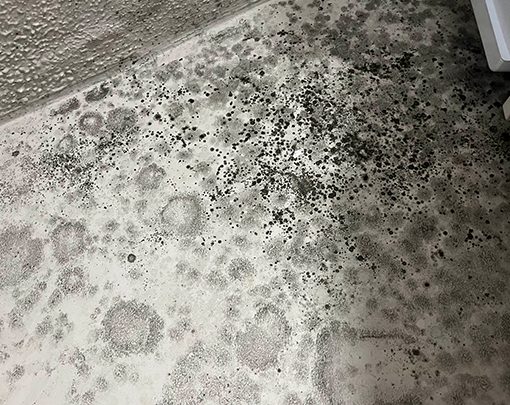
Damp is one of the most common problems in properties throughout Great Britain. Ignore damp at your peril – it quickly leads to mould and mould in turn leads to rot, such as dry rot. Below are some handy pointers on some of the more common forms of dampness that are found in properties and some handy tips on what to do is you suspect you have a damp problem:

Rising Damp

As the name Rising Damp suggests, this damp rises from a water source below. The most common cause of rising damp is the breakdown of an existing damp proof course, or not having a damp proof course at all. Some older properties were built without a damp proof course at all. Blocked up chimneys, hermetically sealed windows or tight fitting doors can also cause problems.

Tips on Spotting and Avoiding Rising Damp

  • Don’t block natural ventilation – especially in older houses.
  • Ensure drains are clear- saturated soil can let water seep into the house.
  • Make sure there are no large trees within 20m of the property. Roots can cause damage to drains and footings.
  • Check all guttering and downpipes for blockages.
  • If the property has a cellar, check the condition of the underside of the joists and floorboards.

What to do if you Suspect you have a Rising Damp Problem

Timberwise are experts in identifying and recommending the best solutions to Rising Damp related problems and have been for over 40 years. All houses are different and have a variety of different damp proofing methods at their disposal. From chemical damp proof courses through to electro osmotic damp proofing you can be sure that Timberwise will accurately diagnose and suggest the best course of action for your property. To arrange a survey simply call your local Timberwise office on 0800 288 8660.

Penetrating Damp

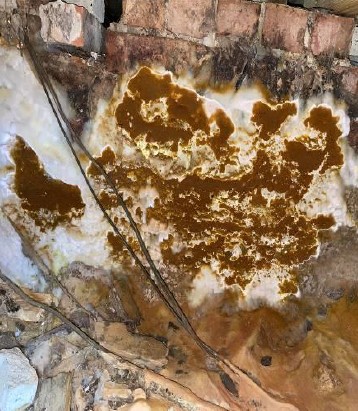
This enters properties through walls and around windows either horizontally or from above. The most frequent cause is a leaking roof or blocked gutters and downpipes. Water may travel down beams through natural gullies, down electric cables and along joists before it finally appears on the wall. Further information on our penetrating damp solutions can be found on our Penetrating damp page.

Tips on spotting and Avoiding Penetrating Damp

  • After rainfall look for external damp patches where most of the wall has dried but a damp patch is left.
  • Feel the walls for signs of dampness.
  • Pay special attention to ceilings and around windows- especially dormer windows and roof lights.
  • Inspect the loft and check the underfelt. Turn of the lighting in the loft area and check for any signs of daylight coming through. This easy check highlights areas where water could be coming in.
  • With the aid of a pair of binoculars check the condition of the roof. Study carefully the ridge tiles and the area around the base of the chimney stack.
  • Look for any signs of algae or mould on exterior walls. Mould can be a sign of a recurring damp problem.

Accidental Damp

This form of dampness is caused by accidental water leakage – for example a leaking water tap or pipe. Older pipework is particularly susceptible to leakage from joints, and as a majority of pipework is hidden this can be difficult to identify. This is where you may need the skills of a good plumber to spot any potential leaks. Another area to check is around baths and showers where the seals may need renewing.

Tips on Spotting and Avoiding Accidental Damp Problems

  • Always turn the stop cock off if the property is going to be vacant for any long periods.
  • Drain the water and central heating system of any property that is vacant – especially during the colder winter months. Frozen pipes can mean expensive repairs.
  • Keep a look out for signs of leakage around all areas where water is used.
  • Get a qualified plumber to give you an informal assessment of the state of the water and central heating system in the property.
Picture of Barrie Francis
Edited by Barrie Francis
CSRT, CSSW
Damp & Condensation Expert
Timberwise

Do you need help with damp?

Call or Click:

Structural timber is literally the framework of any building, providing critical support for floors, roofs, staircases, and internal framing. This timber can become damaged and...

Timber is one of the most integral materials used in construction. Despite advancements in construction technology and materials, timber remains an ever-present in many new...

Health and safety remains a fundamental and ongoing priority across the construction industry. The specialist property maintenance sector is no exception to this. With exposure...

As a homeowner or property manager, we’ll all likely been through a similar journey with any property we’ve lived in: You notice a damp patch...

If you’ve just bought a new-build home, you probably expect it to be dry, warm, and low maintenance as soon as you move in. However,...

Moving house can be one of the most stressful processes that a person can go through in their life. That doesn’t just mean the actual...

A common question we often get asked by our customers at this time of year is: “I have black mould in the bathroom but how...

Black mould and damp are two dangers that the elements can pose to your home, but did you know that a lot of the time,...

1 thought on “Help Stamp Out Damp with our Damp Advice”

  1. Georgie Lister-Fell

    Hi there,

    I’ve just had a property survey done on a top floor flat that I’m hoping to purchase in London. The surveyor noticed Penetrating dampness was evident beneath the reception room window.

    There is also some staining on the right hand wall in the bedroom at high level and the ceiling area and high moisture readings were obtained here.

    I’ve been advised that I should contact a general building contractor to examine the cause and full extent of this dampness. It may be a case of having the roof examined as it may be the root of the issue.

    Please could you call/email me with next steps?

    Many thanks,
    Georgie

Leave a Reply

Your email address will not be published. Required fields are marked *

Timberwise (UK) Limited is an Introducer Appointed Representative (Financial Services Register No. 418778) of Phoenix Financial Consultants Limited (Phoenix). Phoenix is a credit broker, not a lender. Phoenix is authorised and regulated by the Financial Conduct Authority (FRN: 539195), and offers finance from its panel of lenders. All finance subject to status and credit checks.