




This article is purely to give advice on problems with woodworm infested furniture, Timberwise are unable to treat furniture for woodworm.
One of the most common and annoying problems that property owners have to deal with is woodworm. Even saying the word ‘woodworm’ conjures up mental images of ruined woodwork and hole-riddled timber. Luckily, that problem can be mediated by the professionals – but when it comes to your furniture, you are going to have to take matters more closely into your own hands.
Having woodworm spread from your timber into your furniture is an unfortunate and annoying situation – but it’s a common one. Timberwise, like many woodworm treatment specialists, don’t treat furniture for woodworm – so how can you not only figure out if your furniture is suffering from woodworm, but also put a stop to them damaging your property?
How to Discover Woodworm in Furniture?
The first step in establishing whether your furniture has woodworm in it is by figuring out if the furniture itself is made out of a material that is susceptible to woodworm infestation. Obviously, that means wood – but which kinds of wood are the most likely to suffer from woodworm infestation? Cherry, spruce, beech, birch, and alder are all big contenders for woodworm, but don’t think that wood left out of that list is any less likely to house woodworm.
Whilst it’s true that woodworm are naturally attracted to softer wood, you are still likely to encounter them in hard woods as well. In fact, what might be sold to you as a hard wood could well be a softer wood sealed and coated in a veneer, so don’t be surprised if you do end up finding woodworm within what you thought was a mahogany or pine.
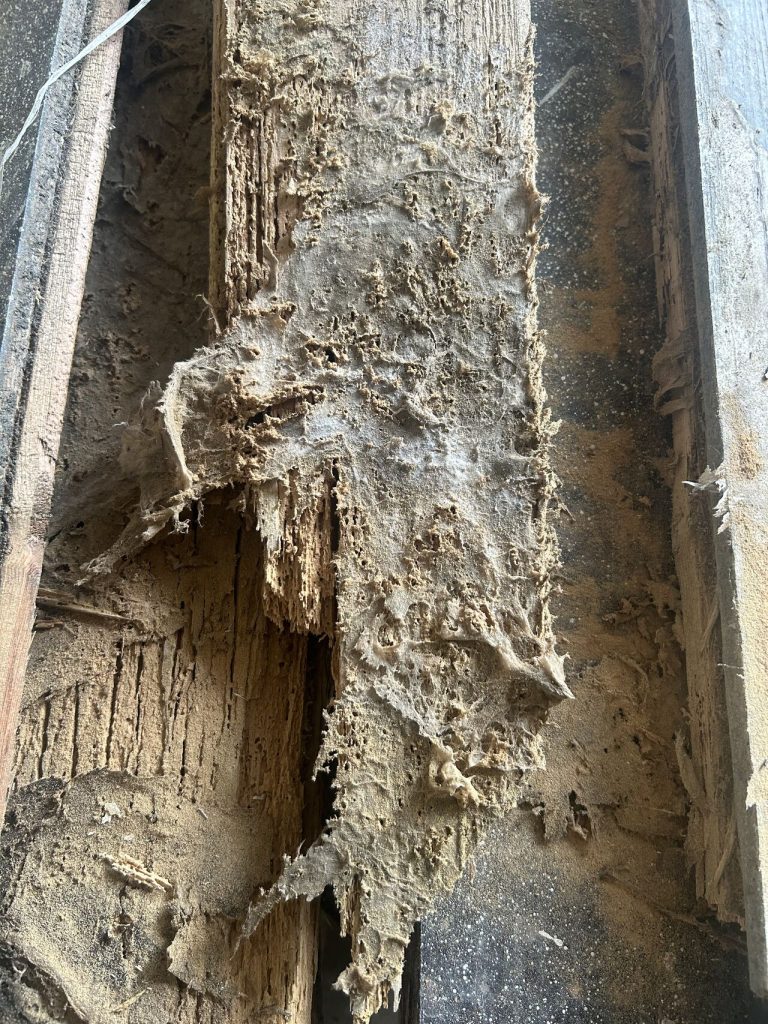
The signs of woodworm within the furniture itself are going to present very similar to how woodworm would present in your properties timber:
- Small bore holes appearing on the exterior of the wood where the woodworm are leaving the furniture.
- Frass building up on or around the wood that the woodworm are inhabiting
- Dead beetles littered around the furniture you suspect could be inhabited are all clear signs of woodworm.
Of course, all of this applies to furniture in your home, but the chances of woodworm being present in your furniture rises the older that furniture is. Take antique furniture for example.
If you haven’t been the sole owner of a piece of furniture, and you cannot account for the conditions it was kept in the past, and you might not even be aware if the furniture contains woodworm if you purchased it in their dormant season.
Here you are going to have to employ a keen eye – examine antique furniture for those tell-tale signs of woodworm like bore holes but also be on the lookout for any darker holes in the wood that could be potential bore holes that have been treated and filled since the item was put on sale – these could indicate that woodworm have infested the furniture, and have since been covered up.
To figure out if the furniture still has woodworm inside it if you suspect there has been a cover up, just knock on the furniture’s wood to see if any frass spills out of the holes. If you do find light dust coming off the furniture, then it could be an indication that woodworm is still active within that furniture.
Preventing Woodworm in Furniture
Woodworm is, at its core, an insect. That means it is only able to spread to different wood when given the chance. That means if you do realise one of your pieces of furniture could be suffering from woodworm, then there is an opportunity to stop woodworm from spreading with timely action.
First, remove the affected furniture into an area where there is no other wood for the woodworm to infect. This means that even if you notice a door or desk beginning to show signs of infection, it’s time to take action and get it moved into a wood free area.
Once that affected piece of furniture has been isolated, you can begin treatment. Be sure to be vigilant in monitoring the wood that was near the affected furniture for a while after your treatment to quickly treat any woodworm that could have spread before your action.
How to Treat Woodworm in Furniture
It’s important to understand how to treat woodworm in your furniture yourself, as it is not a service that Timberwise and many other professional property care specialists undertake. You may want to take your furniture to a professional upholsterer or antique specialist if you don’t trust your own abilities or would rather rely on someone experienced.
When it comes to woodworm in your furniture, the very first step in treatment is establishing how bad the infestation is. If you have only noticed a light infestation that has led to a small amount of damage, then you will be able to treat the woodworm and any aesthetic damage easily enough.
Heavily damaged furniture will follow the same initial removal process but differ when it comes to repairing the damaged furniture.
Start by removing any varnish or other finishes applied to the wood on the furniture. This applies to all the wood on the furniture, as you will need to apply your anti-woodworm insecticide directly to the wood itself in order for it to be effective.
There are a variety of woodworm insecticides on the market today, and once your wood is exposed its easily applicable with a brush, or even via spray. Make sure that you coat all of the wood on the furniture itself, as even one woodworm is enough to continue spreading and damaging your furniture.
Once you have applied the anti-woodworm insecticide, you will need to re-varnish and finish your furniture. It is at this stage you can assess the damage, and decide how you might want to restore your furniture.
You could fill the bore holes with wax or putty, and then apply the same varnish to these areas to produce a smooth and coherent finish to your furniture – or if the damage is heavy, you may need to make further repairs to keep your furniture in working order.
You may even consider taking it to a restoration specialist to make any repairs as flawless and professional as possible, which is a route we would heavily recommend when it comes to antique furniture.
Treating Woodworm in Timbers
As stated, Timberwise does not currently treat furniture for woodworm. However, if your property has fallen victim to woodworm and your timber is at risk, then you can count on us to remove the woodworm entirely, restoring your properties woodwork to the level of quality it was at before the woodworm took hold.
To find out more about our woodworm treatment services and how we can help you stop the spread of woodworm through your home or property, just give us a call on 0800 288 8660 or get in touch with us online here.
FAQs
How Do I Know if My Furniture Has Woodworm?
Common signs of woodworm in furniture include small, round exit holes in the timber, fine wood dust (known as frass), weakened or crumbly wood, and, in some cases, live beetles emerging from the surface. A professional inspection can confirm whether the infestation is active and recommend the most appropriate treatment.
Can Woodworm Spread From Furniture to Structural Timbers?
Yes. If the conditions are suitable, wood-boring beetles can spread from infested furniture to other untreated timber within a property. The risk depends on the beetle species, the severity of the infestation, and environmental conditions such as moisture levels. Prompt treatment can help prevent further spread.
Can You Treat Woodworm in Furniture Yourself?
Minor infestations may be treated using suitable woodworm treatment products, provided the infestation is correctly identified and limited to a small area. However, if the furniture is valuable, heavily infested, or there is any concern that woodworm has spread to structural timbers, a professional survey and treatment are recommended.
How Can I Prevent Woodworm in Wooden Furniture?
To reduce the risk of woodworm, keep furniture in a dry, well-ventilated environment, repair any sources of damp, inspect wooden items regularly for signs of infestation, and avoid introducing untreated second-hand furniture without checking it first. Maintaining low moisture levels helps make timber less attractive to many wood-boring beetles.
Is Woodworm in Furniture Harmful to People?
Woodworm does not bite people or spread disease. The main concern is the damage caused to timber as the larvae feed within the wood. If left untreated, an active infestation can weaken furniture and, in some cases, spread to other timber elements within the property.
When Should I Call a Professional for Woodworm Treatment?
If you’re unsure whether an infestation is active, the furniture is of significant value, or you suspect woodworm has spread beyond a single item, it’s advisable to arrange a professional timber survey. A specialist can identify the beetle species, confirm whether treatment is required, and recommend the most effective long-term solution.





2 thoughts on “How To Spot and Treat Woodworm in Furniture?”
I’ve been given a very old hair. It has a few holes in it. I’ve isolated it to the garage. I don’t think it is infected. Is there a spray I can use to ensure there isn’t anything lurking?
Terri
Hi Terri, as we state in the blog above you will need an anti-woodworm insecticide to treat the chair. These are available either on-line or through your local DIY store.