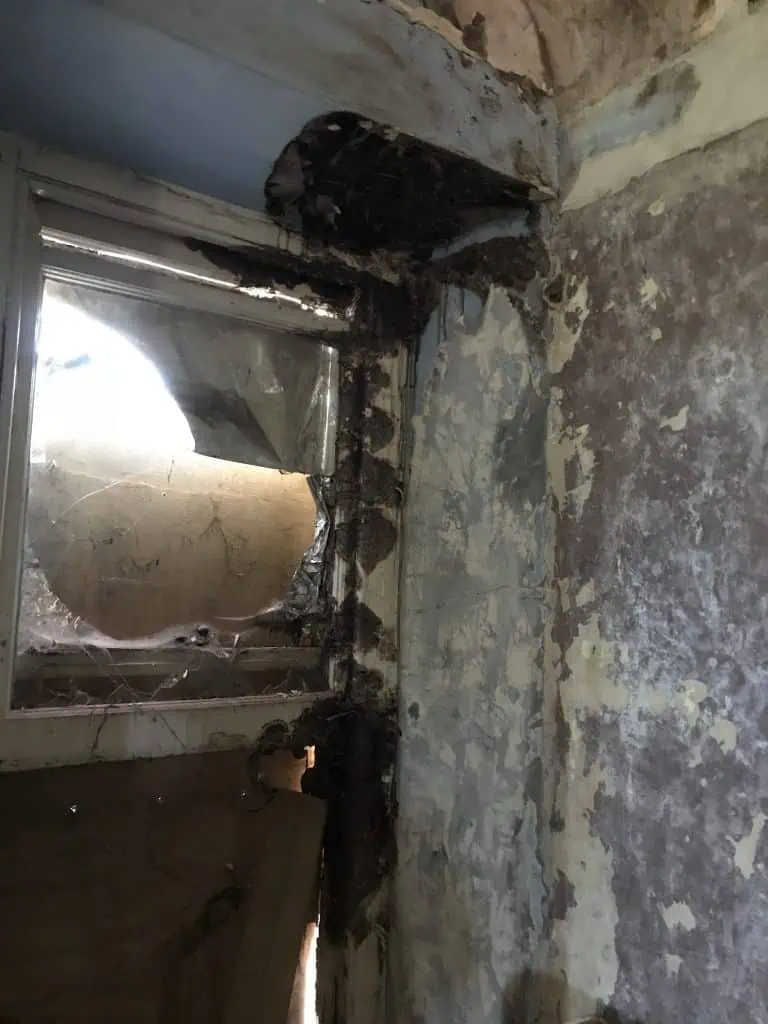


So, is black mould dangerous?
Spoiler alert: yes, it is.
Unsurprisingly, black mould in homes is dangerous.
Black mould doesn’t often cause death in healthy adults, those instances are particularly rare. However, people who are considered vulnerable, such as those with weak immune systems, children, and the elderly, can be at risk of developing serious long term respiratory issues. In particularly unfortunate and acute cases, these issues have led to death.
What is Black Mould?
‘Aspergillus Niger’, commonly known as black mould, it is a type of fungus, and is part of the Nigri species under the Aspergillus genus. The genus is composed mostly of common moulds that we find in the day-to-day, often in water, on vegetation, and on decaying matter. It’s a fast growing fungus which can quickly spread in homes, and can start to produce spores soon after germination.
How is Black Mould Caused?
Black mould is almost always caused by moisture. Uncontrolled moisture in homes give black mould spores the perfect breeding ground. The mould spores are often present in the air, and once landing on a damp surface they can begin to grow.
One of the leading factors in causing black mould is condensation. Warm air hitting a cold surface causes condensation, which can allow mould to grow if the area is not well ventilated or gets frequently damp with no ability to thoroughly dry each time. Other factors include leaks from rooves, plumbing, gutters, and windows. High indoor humidity, even without noticeable condensation, cause mould to develop. Properties that have also been damaged from flooding can quickly develop mould if the area isn’t thoroughly dried.
Where Do You Find Black Mould?
Black mould has a few places it likes to appear. It is often spotted in bathroom ceilings and corners, around window frames, behind furniture close to external walls, and around any areas that frequently leak such as pipes and gutters.
How is Black Mould Dangerous?
Breathing in black mould can be dangerous for your health, particularly when it comes to long-term exposure, in instances where black mould is a repeated problem in your home.
For healthy individuals, black mould can still cause problems. Chronic and persistent mould that isn’t remedied can often result in sore throats, coughing, skin rashes, and inflamed eyes even in healthy adults. It can affect people in lots of different ways, and in a few cases, people may not have any obvious symptoms. Long-term exposure is more likely to cause symptoms to arise. It is recommended that black mould should be removed, not because it is toxic, but it is an irritant.
However, it becomes more of a problem for vulnerable groups. Children, the elderly, and those with chronic health conditions – particularly those with lung conditions, such as asthma – are more at risk of developing long-term health issues. As an example, those with asthma may experience more frequent attacks that have been triggered by mould exposure, may find asthma harder to control, and can frequently cause tightness of the chest and shortness of breath.
In the UK, there have been a number of deaths linked to mould exposure. These cases are often rare and extreme, but it does highlight the danger of prolonged, chronic exposure to severe cases of black mould. One more recent and well known case was that of Awaab Ishak, a toddler living in a council flat in Greater Manchester who had been subjected to prolonged exposure to mould in his home. It has resulted in Awaab’s Law, a law which requires landlords to investigate and fix serious damp and mould hazards within set timeframes.
Can I Stay in My House with Black Mould?
You can stay in your house if you have a case of black mould, but you should maintain some distance from it until the situation is remediated. However, if the problem is severe, then you should arrange temporary accommodation while the black mould is being treated.
How Do I Remove Mould From My Home?
Most cases of black mould can be remediated fairly quickly. If it is small, isolated patches, then cleaning the area using mould treatment and a cloth is the best thing to do. You should also figure out how the mould ended up there in the first place. It could be from poor ventilation, leaks, property damage, and so on, so it is important to find the source and fix whatever issue needs addressing. Precaution should be taken when dealing with mould, such as the use of gloves and masks.
In the instance that the black mould is particularly severe, then it may need professional help.
Specialists in property care can help to inspect the property to identify the exact cause and locality of the black mould, often using moisture meters. Once the source has been found, they can repair the source, such as fixing pipes, gutters, and so on. Ventilation can be improved, such as the installation of fans. In particularly extreme cases, parts of the walls and any timber that has been significantly affected will need to be removed and replaced. This is particularly important in instances where the mould has penetrated areas, such as plasterboard, insulation, carpets, and timber. Drying the building out using industrial dehumidifiers may also be necessary.
Contact Us Today
If you have more questions, head to our page on how to treat black mould here. Need more advice or looking for a surveyor to assess your black mould situation? You can get in touch with us by either calling 0800 288 8660 or contacting us online via the form for a call back.
How to Check for Black Mould?
Black mould spots are most prominent in warm, moist rooms. A musty, persistent smell is a strong indicator of black mould present, beyond the obvious visual sign of black mould spots on the walls.
How Do I Prevent Black Mould?
Most activities you do in your home cause moisture in the air, from cooking and cleaning to showering and drying clothes. Making sure your home is well ventilated and also well heated in the winter, can prevent damp from occurring, which is what black mould needs to make your house a home.
I Found Black Mould in My Home, What Do I Do?
If you have found black mould in your home, try to use that room as little as possible and remove items away from the affected area. Address the source of the damp or have a professional assess it. If it is small, treating it yourself with mould remover will work. For larger patches, it is best calling in a professional.