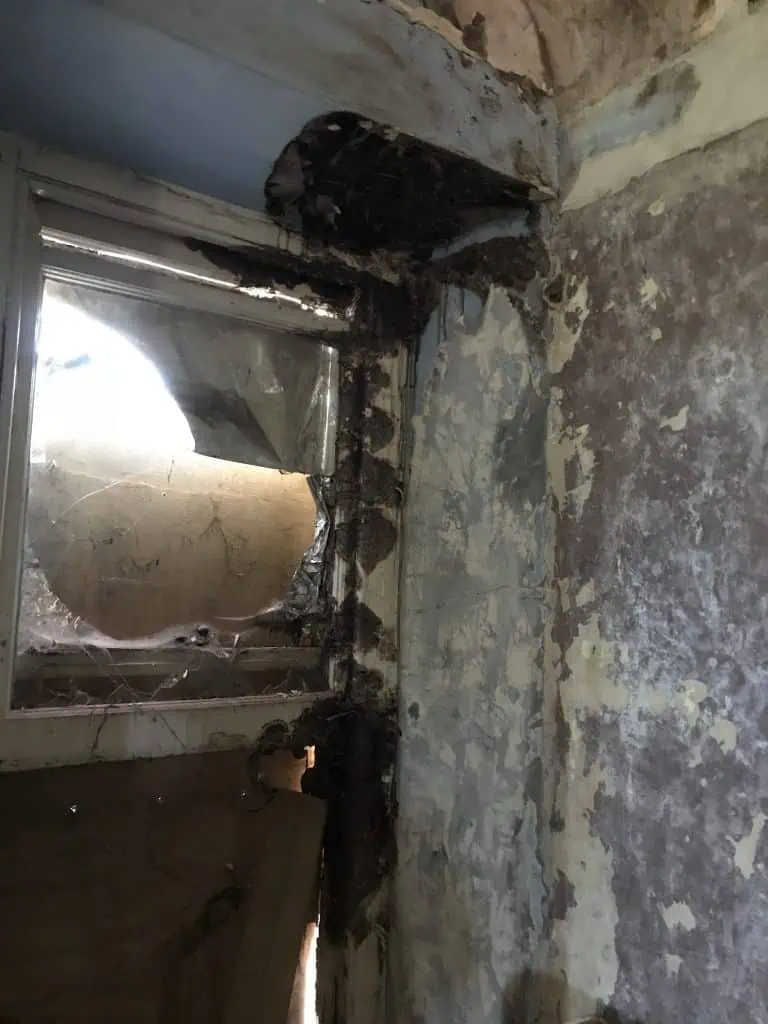


As we move into the colder months, it’s important to be aware how the winter weather and all its tribulations can have an impact on your home. We’ve compiled a checklist to help you prepare for the winter, ensuring your home stays warm and dry.
There are a few steps you can take to prevent common property care problems, which are actionable steps to alleviate the potential threat of damp, condensation, basement flooding, and other nasty property care issues that might be made worse through winter.
So, what steps should you take before winter to properly protect your property?
This article covers three key problems that are common during the winter, and what to look out for when winter proofing your home:
- Damp
- Dry and Wet Rot
- Condensation
Winter Preparation Checklist for Damp:
Damp is a problem that plenty of people contend with every year, and we can predict that as soon as the rain starts to fall more and more people are going to discover new, or reemerging damp, in their walls.
So, what simple steps can you take to eliminate the chance of damp appearing in your property?
Firstly, you can look into your pipes.
A property’s pipes are often the reason that damp sets in, as leaks and cracks in the pipe itself allow water to spill out and soak into your home’s walls or floor. Making sure that your properties internal pipes are all sealed and connected nicely is a crucial step to reducing the chance of a leaky pipe causing damp, especially when the heating is turned on and water is actively moving through the property.
It’s also worth looking at any external pipes your property might have, to see if they might benefit from external insulation. External pipes are more prone to freezing, and if they were to freeze then it’s much more likely that these exterior pipes might burst, which can increase the chance of penetrating damp.
Guttering and drains are also a key factor in causing water ingress which leads to damp inside a property. They are also more susceptible to damage in the winter, particularly if it gets below freezing temperatures. Ensure your gutters are feeding into drains correctly, are not blocked, and are not damaged in any way. Your drains should also be periodically checked to ensure they are draining correctly and are not clogged or blocked.
So, if your drains need rodding it may well be worth spending the half hour outside clearing them out, and by the same token cleaning out the gutters (or having someone go up and do it for you).
This effort will help to stop water from cascading down the side of your property, overspilling from a blocked gutter and leading to a case of penetrating damp. Or, it could stop your drains from overflowing next to your properties walls, which might cause the damp to seep in above an active DPC and act like rising damp.
To summarise:
- Check guttering and roofs for leaks or damage
- Check piping for any obvious signs of leaks or damage
- Ensuring there are no cracks in masonry and windows
These are some of the main steps you can take to reduce the risk of damp appearing in your property, but what other easy jobs can you do to keep your property protected before winter?
Winter Preparation Checklist for Condensation:
Condensation is a problem that can lead to damp, but unlike rising damp and penetrating damp like we mentioned before, condensation occurs due to a homeowner’s behaviour and lifestyle, such as washing, bathing, and cooking.
Condensation is the process of warm, moisture rich air coming into contact with a cool surface, and that moisture rich air reverting to a liquid form once it touches that cool surface. Running a hot bath or cooking with water naturally leads to condensation forming.
Depending on the level of condensation being created in your property you may well be able to carry out a few checks and reduce the amount of condensation being created.
First, check to see if the ventilation available in your property is adequate. You may well be surprised what a difference that an extractor fan, window trickle vents, or even just an open window can make when it comes to the alleviation of condensation.
Make a note of places in which you notice condensation building up, if anywhere. Once you’re aware where the main areas of condensation build up are taking place, you can think about ventilation options in that area, and how you might reduce condensation with something like an open window or an extractor fan.
If you happen to notice, for example, that most of the condensation being created is within your kitchen, then simple day to day actions are going to help a lot when it comes to reducing the level of condensation in your kitchen.
Putting lids on pots and pans for example, or running an extractor fan whilst the oven is on are both great ways to reduce the amount of condensation being created, and as the weather gets colder the amount of condensation on cooler, exterior facing walls is only going to increase.
That goes for every room in the house as well. Discovering where the condensation is worse and taking steps to reduce it before the cold weather hits is going to be hugely beneficial. If you still struggle to get to grips with the condensation in your property, then you can always get in touch with our team to arrange a condensation survey.
Checklist:
- Extractor fans
- Open windows
- Trickle vents
- Changing behaviours such as covering pans and keeping windows open during showers
Winter Preparation Checklist for Dry Rot and Wet Rot:
Dry rot and wet rot are both problems born out of the same symptoms: damp timber. If you have timber connected to a wall that displays signs of damp, then you may well be at risk of that timber developing dry or wet rot.
Checking Timber
A good way to check if your timber might be at risk of developing dry or wet rot is to have a look round at your properties walls and flooring, and see if there are any noticeable signs of damp. If there are, then you may well find that rot begins to appear sooner rather than later.
Winter brings more rainfall and snow, and that moisture, especially in heavy weather, poses a risk of increasing the moisture content in your walls. This higher moisture content will transfer into any timber connected to the damp areas, making that same timber the ideal growth area for dry rot and wet rot spores.
So, by having any suspected damp looked at or treated, you are going to significantly decrease the risk of the higher levels of rainfall posing a risk to your property’s timber.
Monitoring Condensation
Another good tip would be to make a note of the amount of condensation being created in your bathroom and kitchen. Often the sustained condensation builds up over time, settling on surfaces like skirting boards or cupboards, leading to dry and wet rot growth.
Check how much condensation is being created, and take steps to reduce it if necessary, and you may be able to stave off dry and wet rot.
Winter Preparation for Basement Waterproofing: Summary
Keeping your basement clean and dry throughout winter is always going to be a priority, but what checks can you do to make sure your basement is ready and equipped for the wetter weather?
First off, you should keep an eye out for any signs of condensation, or leaks, no matter how small they might appear. What might be the tiniest of trickles in summer can quickly turn to constant, slow leaks of nasty groundwater, fuelled by persistent rain and snowfall.
So, if you happen to notice any sign of water ingress in your basement, puddle, trickle, or even beaded, then it may well be worth having your waterproofing system looked at.
Similarly, you will want to check that your sump pump, if you do have one connected to your waterproofing system, is ready to handle the rain and other moisture of winter. This might be a little tricky if you aren’t an engineer, or familiar with sump pumps, but you can always call for a trained sump pump technician to come and take a look for you, just to be sure that it’s ready to go.
If you think there is a problem in your home with rot or water ingress, you can chat to one of our team to discuss the problem. You can call 0800 288 8660, or get in touch online, and our team will be happy to talk to you about whatever property care issue you might be worried about, and advise the best course of action to take.