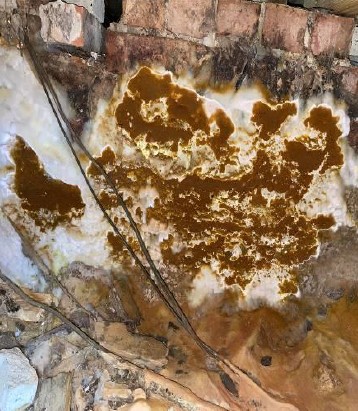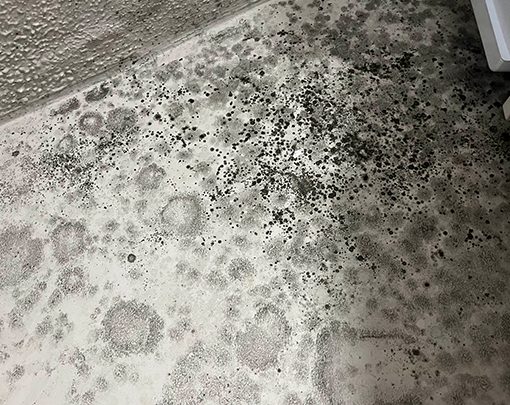


Dry rot is a highly destructive form of fungal decay which attacks damp timber. Different to wet rot, dry rot only needs a small amount of moisture present in wood in order to germinate spores and begin to spread to other parts of a building, including dry wood. Wet rot, on the other hand, is restricted only to wood that is actively wet.
Like with any other fungi, they have their preferences as to where they like to set up shop. They attack damp timber, but some timber is more dry rot friendly than others. This article takes a dive into what woods are most vulnerable and what steps you can take to mitigate and prevent dry rot in your home.
How Does Dry Rot Happen
Dry rot (Serpula lacrymans) is a type of fungus which attacks wood that has a moisture content between 20% and 30%. Dry rot requires moisture to be able to germinate, but once it has made a home it will then be able to travel and spread to completely dry timber and begin breaking that down as well. It can travel across brickwork and mortar to be able to reach new sources of wood.
Moisture in your home is the number one trigger for a dry rot outbreak. Problems such as leaking roofs, damaged tiles and gutters, and cracks in the masonry can allow for moisture – and dry rot – to penetrate a property. Plumbing leaks are also a huge risk factor, as they cause widespread moisture damage in a relatively short period of time. In some cases, extreme levels of moisture inside and severe condensation can also lead to dry rot.
Dry rot finds its home when the dry rot spores come into contact with damp wood. Provided the wood is damp enough (a moisture profile of 20 to 30% is ideal), these spores will be able to germinate. From there, they develop fungal threads called hyphae which can grow and travel to other parts of the wood or building. These hyphae will grow into mycelium, which looks like a white, fuzzy fluff. This fungus feeds on the cellulose in the wood, breaking it down and leaving the wood dry, brittle, and prone to breaking.
What Wood is Most Vulnerable to Dry Rot
Dry rot generally doesn’t discriminate when it comes to attacking timber, although it does have its preferences. Softwoods such as pine, spruce, birch, and oak are often victims of a dry rot attack once they become damp and cannot dry out properly due to a lack of proper ventilation.
Hardwoods
Dry rot can also attack hardwood floors, but it’s less common. Hardwoods are often more resistant because they’re more durable and have more densely packed wood fibres. The density of the timber means that moisture and fungal spores can’t penetrate the wood as easily, making it less likely for the wood to become saturated or have spores be able to settle and take root.
Certain hardwoods also naturally contain chemicals that can prevent fungal growth. Oak wood is a great example, as it contains tannins which can mitigate fungal growth and rot. The tannins can protect the wood by reducing how much moisture the wood actually absorbs and can also bind to enzymes in the fungi, which prevents it from breaking down the oak’s fibres.
Teak, another hardwood, is also more resistant to dry rot as it contains natural oils and extractives which also act as a resistant barrier to spores. On the other hand, some hardwoods such as beech are less resistant to dry rot, as it lacks natural chemical defences seen in other hardwoods.
Softwoods
Softwoods have a different cellular structure to hardwoods, which changes how much moisture it absorbs. Hardwoods often have specialised cells, such as certain fibres and vessels. Softwoods usually consist of tracheids which are long cells which retain moisture much faster and more easily, which gives fungi a more appealing home. Softwoods also lack a denser wood structure, meaning that moisture is also more likely to penetrate.
Pine is a soft wood and one of dry rot’s favourite places to make a home for itself and still not paying rent. Pine is also one of the most commonly used timbers that make up a structure of a property, often being used for floors, roofs, joists, and anything and everything else.
While it might seem like an odd choice considering it’s so susceptible to forms of decay and rot, pine does have its benefits. Pine is affordable, lightweight, and easy to cut to specification, making it a go-to choice when it comes to building.
Other softwoods that are highly vulnerable to dry rot include:
- Fir: It lacks natural durability and doesn’t contain any chemicals found in hardwoods that are resistant to fungal spores. It quickly absorbs moisture, making it vulnerable to damp.
- Spruce: Also highly vulnerable, spruce can easily attract dry rot for largely the same reasons fir wood does.
- Beechwood: Non-durable, it has a high nutrient content which makes it a fantastic nesting ground and food source for fungi. Like the others, it also lacks any natural chemical defences and is also prone to absorbing and holding moisture.
How to Prevent Dry Rot
Dry rot initially targets damp wood. Spores will migrate into the soft, wet tissue of the wood and begin to germinate. Ensuring your property stays dry throughout the year is key to preventing dry rot, or, at the very least, your property is well ventilated and has an ability to fully dry out if it does have instances of damp.
Some routine home improvement and measures to take include:
- Fixing leaks, such as indoor plumbing, leaking roofs, or leaking gutters.
- Improving airflow. Ensure your property is well ventilated, with extractor fans in areas like the kitchen and bathroom. Air bricks in the exterior of the property should be cleared of any debris or vegetation, as dry rot loves sub-floor spaces such as under your house and basements.
- Fix damp issues such as problems with rising or penetrating damp.
- Use waterproof sealants to coat any wood exposed to the elements on your property.
Summary
Dry rot is perhaps one of the most devastating things that can happen to your home. It acts fast and can grow exponentially within a matter of weeks. It can grow from one to four metres per year depending on how ideal the conditions are, spreading across floors and severely weakening structural timber. Left unchecked, it can eat away at timber until it eventually collapses. It doesn’t need external moisture and supplies its own, which allows it to travel and affect dry timber.
Dry rot treatments differ on a case-to-case basis. Some minor outbreaks that were caught early can be treated with a fungicidal fluid and replacement of the affected timbers. More devastating cases where the dry rot has been left unnoticed and has spread across rooms and floors will need much more complex – and expensive – solutions.
If you think you have a problem with dry rot, arrange for a professional survey to be done as soon as possible. Fast action and remediation can save you a lot of money, time, and hassle in the long run.
Call us today on 0800 288 8660 to arrange a survey with one of our team or book online here.