



- All
- Accreditations
- Air Quality
- Basement Waterproofing
- Case Studies
- Cavity Wall Ties
- Condensation Control
- Damp
- Dry Rot & Wet Rot
- Energy Performance
- Events
- Flooding
- General
- General News
- Guarantees
- Health & Safety
- News
- Property Tips
- Radon Gas
- Structural Repairs
- Surveyor's Fotofile
- Timber Engineering
- Wet Rot
- Woodworm

DIY Damp Proofing: Why It Often Fails and What Works Instead
Damp proofing is a necessary measure in any wet room. From your kitchen to your bathroom, it’s essential to control moisture perfectly to prevent fungal ...

Wall Tie Failure and Structural Damage: What You Need to Know
Cavity wall structures have been a mainstay of British construction since the 1930s. Cavity walls replaced solid masonry walls in many cases, aiming to improve ...
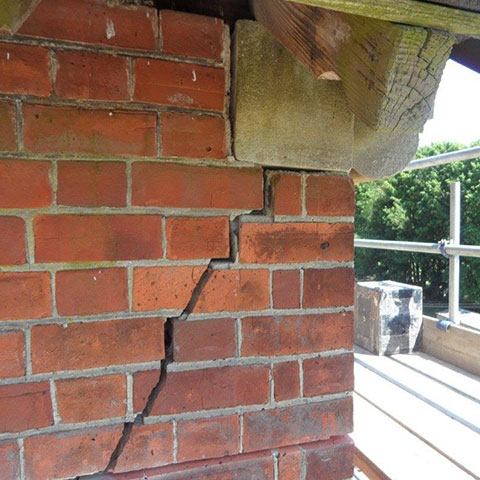
Subsidence and Structural Movement: How to Tell the Difference
If you’re a property owner, chances are you’ve come across subsidence before. Whether you’ve received the home buyer’s report for your prospective first home, or ...

Signs Your Home Needs Structural Repairs: A Complete UK Guide
Most structural problems in homes do not start with dramatic movement or collapse. They begin with small, easily overlooked warning signs: hairline cracks, doors that ...
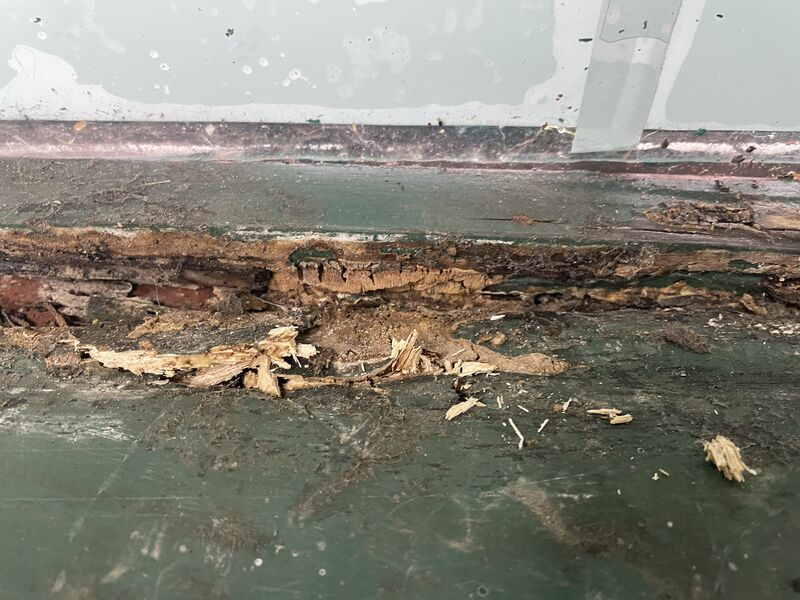
Why Timber Windows Rot and How to Prevent It
Timber windows are a striking feature in both heritage and modern properties, known for their hardy and insulative properties. However, unlike modern uPVC windows, timber ...

Timber Repair Techniques Explained: Resin, Splicing & More
Structural timber can often be repaired rather than replaced. Using modern methods such as timber resin repair, splicing, and reinforcement, specialists restore strength to beams, ...

Crack Stitching for Commercial Buildings: A Structural Repair Guide
Masonry cracking is a common occurrence in commercial stock across the UK. There’s a variety of factors when considering how cracks form – Subsidence, renovations, ...

Commercial Concrete Damage in London: Causes, Risks & Repair Solutions
London is known for its diverse architecture, from the striking curvature of the Gherkin to its quaint timber-built heritage pubs and taverns. Despite the renaissance ...
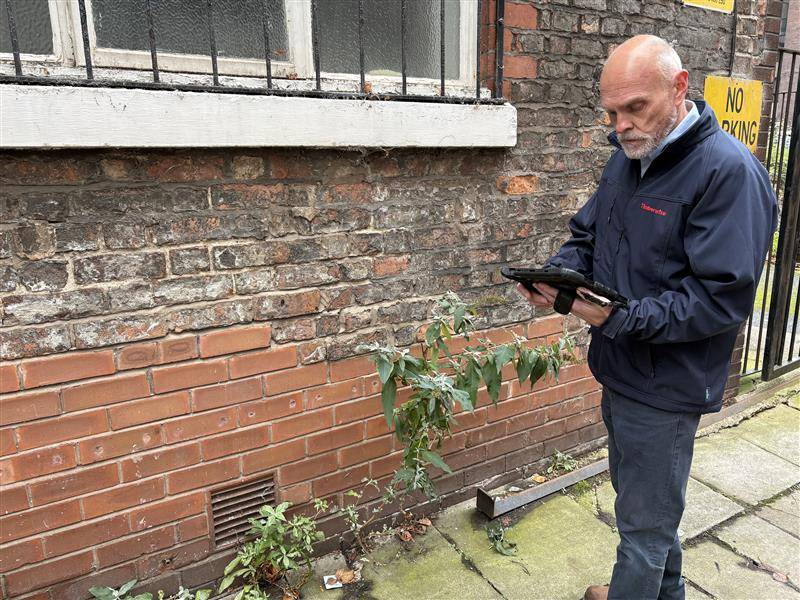
The Seven Signs of Rising Damp in London Homes
Rising Damp is one of the most commonly found problems in homes throughout London, especially in the older housing found all around the city. Victorian ...

Wet Rot vs Dry Rot in Commercial Buildings: Identification & Prevention
Despite the adoption of modern materials, timber remains a critical structural component in many buildings. From lintels to window frames, timber components are still lauded ...

Why are Structural Defects Common in London Homes?
London is the most densely populated area of the UK, and unsurprisingly it’s home to some of the oldest residential properties in the country as ...
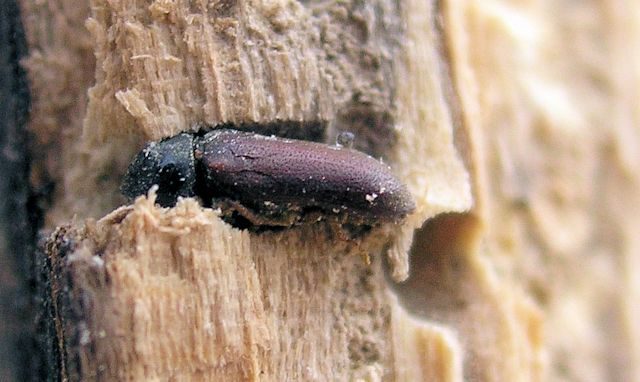
Woodworm in London Commercial Buildings: Why Older Properties Are at Higher Risk
With a high density of commercial buildings, timber damage is a significant concern for much of London’s building stock. One such threat to timber is ...
