





Find Your Nearest Timberwise

Our Locally Based Team in Bradford Offer Complete Coverage

Dry Rot Specialists in Bristol

Timberwise delivers professional dry rot treatment across Bristol, providing detailed surveys and targeted remedial works to eliminate active outbreaks, and protect structural timbers.

Dry rot can spread quickly through hidden areas, damaging floor joists, roof timbers, and load-bearing elements. Our PCA-qualified surveyors identify the source of moisture, assess the extent of decay, and specify the correct treatment to stop further spread.

All completed timber treatments are backed by 20 year insurance-backed guarantees for long-term reassurance. If you suspect dry rot in your Bristol property, request a professional survey today.

Contents
    Add a header to begin generating the table of contents
    Timberwise dry rot survey in a property in bristol

    Request a Survey

    We Cover The Following Areas In Bristol:

    • Bristol City Centre
    • Clifton
    • Redland
    • Bishopston
    • Bedminster
    • Southville
    • Filton
    • Patchway
    • Horfield
    • Brislington
    • Knowle
    • Hartcliffe
    • Fishponds
    • Kingswood
    • Emersons Green
    • Staple Hill
    • Henleaze
    • Westbury-on-Trym

    Can’t find your area? Just call our team to see if we cover you, or check our full list of locations here.

    Why Choose Timberwise Bristol?

    Local, Bristol-Based Team

    Our locally based PCA-qualified timber specialists operate throughout Bristol and the surrounding areas, delivering professional dry rot surveys and remedial treatments for residential and commercial properties. 

    Certified Property Care Specialists

    We are members of the Property Care Association, and endorsed by Which? Trusted Traders, as well as being members of Checkatrade, and Trustmark.

    Long-Term Protection

    All completed timber treatments are supported by 20-year insurance-backed guarantees, for added reassurance and peace of mind.

    Trusted in Bristol Properties

    From period homes in Clifton to converted buildings in Redland and modern developments across the city, we deliver targeted dry rot treatment designed to safeguard structural timbers and preserve property value across Bristol.

    What Our Customers Say

    Read feedback from homeowners who have recieved a survey from Timberwise

    Recent Projects By Timberwise in Bristol

    installation of a cavity drainage membrane on a concrete floor

    Designing and Installing a Waterproofing Solution in Chepstow

    Client: Domestic Our client, a homeowner in Chepstow, contracted Timberwise to design and install a...

    shakes in a roof joist

    Structural Timber Repair in Badminton

    Client: Domestic Our client, a homeowner in Badminton, tasked Timberwise with conducting structural timber repairs...

    An interior shot of an exposed church roof undergoing woodworm treatment

    Woodworm Treatment on a Church Roof in Dursley

    Client: Community & Religious Facility Our client, a church community in Dursley, contracted Timberwise to...

    Recent Projects by Timberwise in Bristol

    installation of a cavity drainage membrane on a concrete floor

    Designing and Installing a Waterproofing Solution in Chepstow

    Client: Domestic Our client, a homeowner in Chepstow, contracted Timberwise to design and install a...

    shakes in a roof joist

    Structural Timber Repair in Badminton

    Client: Domestic Our client, a homeowner in Badminton, tasked Timberwise with conducting structural timber repairs...

    An interior shot of an exposed church roof undergoing woodworm treatment

    Woodworm Treatment on a Church Roof in Dursley

    Client: Community & Religious Facility Our client, a church community in Dursley, contracted Timberwise to...

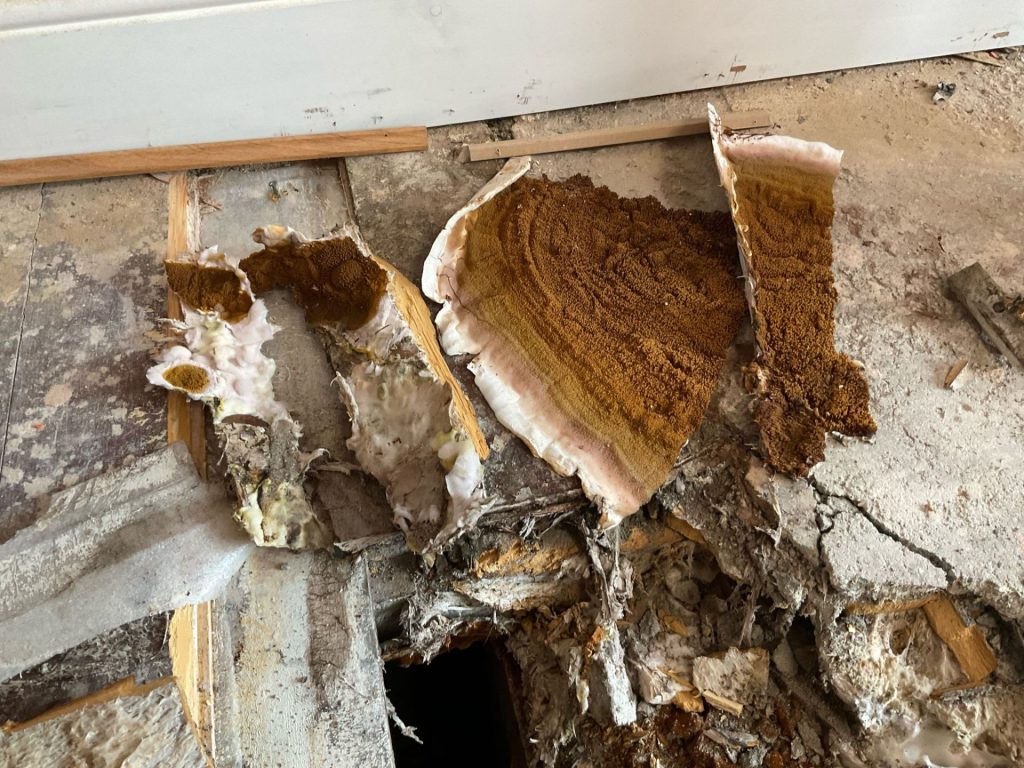
    Dry rot in bristol floorboard Timberwise

    Why is Dry Rot Such a Big Problem in Bristol?

    Bristol’s high rainfall, coastal air, and large number of older properties create the ideal conditions for dry rot to develop. Persistent moisture from leaks, poor ventilation, or rising damp can allow fungal spores to spread rapidly through concealed timbers, often going unnoticed until significant structural damage has occurred.

    Dry rot does not stay confined to one area. It can travel quickly, spreading behind plaster, through masonry, and across floor and roof timbers, weakening load-bearing elements and increasing repair costs if left untreated.

    If you suspect signs of timber decay in your Bristol property, early intervention is critical. Booking a professional dry rot survey now can prevent further structural damage and protect your property’s long-term value.

    Why Dry Rot Can Be a Problem in Bristol's Older Buildings

    Bristol’s older buildings are particularly at risk of developing dry rot. Their original timber fixtures are often not treated to the same standard as modern timbers, meaning they are less protected against damp and fungal decay. Older building techniques can also leave timber in direct contact with masonry or externally, leaving them prone to soaking up moisture from defects or weathering.

    Older properties are also more prone to developing property care issues due to their age. Defective roofing and gutters, plumbing leaks, and rising damp can all create the ideal conditions for dry rot to germinate. Once established, dry rot can spread rapidly in search of new moisture sources, even if the original moisture source has been repaired.

    Decay and fungal growth on timber in an Ilford property
    dry rot on a ceiling

    Where Dry Rot Can Hide

    Due to the nature of how it develops, dry rot typically grows unseen until it begins to spread. This is because it often germinates in damp environments with little or no ventilation. By the time dry rot is visible, it’s often quietly spread across masonry or behind plaster in search of new moisture sources.

    The spaces you tend to find dry rot include;

    • beneath suspended timber floors
    • behind skirting boards or decorative timber mouldings
    • around joist ends, especially when in direct contact with masonry
    • in restricted access areas such as cellars, roof voids, or high ceilings in community buildings or places of worship
    • around leaking plumbing
    • within wall cavities

    Dry Rot in Victorian and Listed Buildings

    Due to their age and the construction techniques of the period, many Victorian and Listed Buildings in Bristol contain original timber fixtures, which can fall prey to fungal decay quickly and quietly. Original timber floors, historic decorative finishes, and concealed timbers in restricted areas can easily develop dry rot with a single moisture source. Once established, it’s easy for dry rot to spread between connected timbers in search of new moisture sources.

    Treatment for dry rot should also consider the style of building, not just removing and replacing affected timbers. Traditional masonry, for example, behaves differently to modern cavity walls in how it controls moisture, and treatment measures should also consider how moisture has built up to create the ideal environment for dry rot initially. This is especially true where conversions or building alterations have taken place, where a mixture of modern and historic materials can cause unforeseen damp problems to manifest if not correctly planned for.

    dry rot fungal decay in a sub-floor void
    Dry Rot Survey underway in bristol

    Our Dry Rot Survey Process in Bristol​

    When you arrange a dry rot survey in Bristol, our PCA-qualified surveyor will carry out a detailed timber inspection to determine whether active dry rot is present and identify the moisture source allowing the fungus to develop.

    We inspect exposed and concealed timbers in floors, roof spaces, and wall voids, looking for indicators such as brittle timber, cracking, fungal growth, and the grey strands commonly associated with dry rot. Surrounding masonry is also examined to understand how far the outbreak may have spread through the structure.

    Moisture readings are taken and the underlying defect such as leaks, poor ventilation, or trapped moisture is identified, as controlling the moisture source is essential to stopping further fungal growth.

    Following the survey, you will receive a clear written report explaining our findings, the extent of the decay, and the recommended treatment and timber repairs required.

    If you suspect dry rot in your Bristol property, arranging a professional survey early can help prevent more serious structural damage.

    How is Dry Rot Treated in Bristol?

    Once our Bristol-based surveyor confirms dry rot and identifies the moisture source, you will receive a clear report outlining the extent of spread and recommended remedial works. Early diagnosis is critical, as dry rot can quickly compromise structural timbers.

    Removal of Affected Timber:
    We remove severely decayed timber to expose the full extent of the outbreak and prevent concealed fungal growth from continuing to spread.

    Treatment and Structural Repairs:
    Surrounding masonry and adjacent timbers are treated with specialist fungicidal solutions, and the underlying moisture defect is addressed. Damaged joists, beams, and floorboards are repaired or replaced as required.

    All completed works are backed by a 20-year insurance-backed guarantee.

    If you suspect dry rot in your Bristol property, arranging a professional survey promptly can help avoid more extensive structural repairs.

    Timberwise Surveyor Looking at Dry Rot Timberwise
    rot repair in bristol Timberwise

    Why Choose Timberwise for Property Care in Bristol?

    No matter the property, our surveyors can identify the moisture source feeding a fungal outbreak, as well as confirm the type of fungal decay within your property. Our treatment plans eradicate both types of fungal decay while preserving original material where possible and preventing recurrence.

    Dry Rot in Bristol FAQs

    How Do I Know If I Have Dry Rot In My Bristol Property?

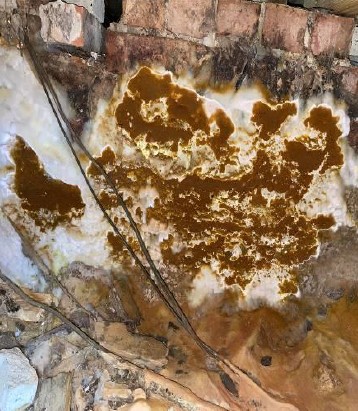
    Common signs of dry rot include cracked or brittle timber, a musty odour, grey fungal strands spreading across timber or masonry, and warped floorboards. In some cases, timber may crumble easily when touched.

    Dry rot often develops in hidden areas such as under floors, within wall voids, or in roof structures. Because the fungus can spread behind plaster and masonry, a professional survey is the most reliable way to confirm whether dry rot is present.

    REQUEST A SURVEY

    Why Is Dry Rot Common In Bristol Properties?

    Bristol’s high rainfall, coastal air, and large number of older buildings create conditions where moisture problems can occur. Dry rot develops when timber remains damp for extended periods, often due to leaks, poor ventilation, or trapped moisture.

    Once established, the fungus can spread quickly through structural timbers if the moisture source is not addressed.

    How Serious Is Dry Rot In A Bristol Property?

    Dry rot can cause significant structural damage if left untreated. It attacks timber used in floors, roofs, and other load-bearing elements, weakening the structure over time.

    Early identification and treatment are essential to prevent more extensive repairs and protect the long-term value of the property.

    REQUEST A SURVEY

    How Soon Can You Carry Out A Dry Rot Survey In Bristol?

    Survey availability depends on demand, but we aim to arrange inspections as quickly as possible across Bristol and the surrounding areas.

    If you suspect dry rot, arranging a professional survey promptly helps limit the spread and reduce potential repair costs.

    REQUEST A SURVEY

    What Happens During A Dry Rot Survey?

    During a dry rot survey, our PCA-qualified surveyor will inspect exposed and concealed timbers to determine whether dry rot is present and how far it has spread.

    We assess timber condition, identify fungal growth, check moisture levels, and investigate the source of moisture allowing the fungus to develop. After the inspection, you will receive a clear written report outlining our findings and recommended treatment.

    REQUEST A SURVEY

    How Is Dry Rot Treated In Bristol Properties?

    Dry rot treatment usually involves removing severely affected timber, treating surrounding masonry and adjacent timbers with specialist fungicidal solutions, and addressing the underlying moisture defect.

    Where structural timbers such as joists or beams have been damaged, they can be repaired or replaced to restore the strength of the building.

    REQUEST A SURVEY

    Do You Offer Guarantees On Dry Rot Treatment In Bristol?

    Yes. All completed timber treatments are supported by insurance-backed guarantees, providing long-term reassurance that the outbreak has been professionally addressed.

    REQUEST A SURVEY

    How Much Does Dry Rot Treatment Cost In Bristol?

    The cost of dry rot treatment varies depending on the extent of the outbreak, the amount of timber affected, and the repairs required.

    A professional survey allows us to accurately assess the problem and provide a detailed quotation for the recommended work.

    REQUEST A SURVEY

    Will Dry Rot Affect The Sale Of My Bristol Property?

    Yes. Dry rot can be identified during property surveys and may delay or complicate a sale if it has not been properly treated.

    Providing documentation of professional treatment and guarantees can help reassure buyers and lenders.

    REQUEST A SURVEY

    Do You Work With Landlords And Commercial Property Owners In Bristol?

    Yes. We regularly work with homeowners, landlords, letting agents, and commercial property owners across Bristol.

    Dry rot can affect residential homes, rental properties, offices, and other buildings, so early diagnosis and professional treatment are important to protect the structure and maintain property value.

    REQUEST A SURVEY

    Timberwise Specialist Property Care & Preservation

    Need Help from Your Local Experts?

    If you would like to benefit from the experience and knowledge of our team based in Bristol for any damp proofing, woodworm, or basement waterproofing problems you might have, you can get in touch with us by calling 0117 322 6512 or by filling in our online contact form to arrange a survey. 

    Request a Survey

    No posts found!

    Timberwise (UK) Limited is an Introducer Appointed Representative (Financial Services Register No. 418778) of Phoenix Financial Consultants Limited (Phoenix). Phoenix is a credit broker, not a lender. Phoenix is authorised and regulated by the Financial Conduct Authority (FRN: 539195), and offers finance from its panel of lenders. All finance subject to status and credit checks.