
Why Is Flooding a Structural Risk in London?
With its unique soil composition and its proximity to major water systems like the River Thames, it’s no surprise that London is a hot spot for flooding. It’s not just the risk of overflowing rivers, though: High groundwater and surface water levels provide the catalyst for a wide range of damp and structural concerns in any property. London’s clay-rich soil and urban density provide additional challenges in ensuring properties remain watertight.
In this blog, we’ll discuss London’s clay soil, and the risk it poses to both flood and structural damage within your property.
What Makes London’s Soil Prone to Flooding?
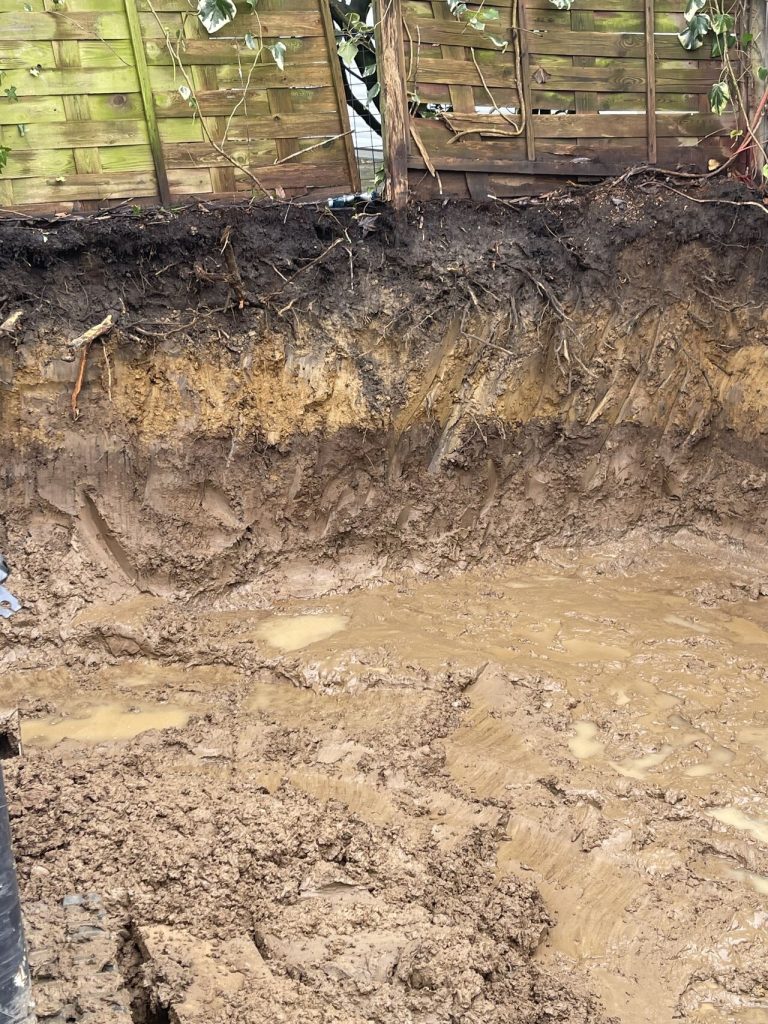
London’s soil is predominantly made up of heavy, sticky clay (also known as “London Clay”). This is especially prevalent in the north of the city, with the south city having a higher percentage of chalk bedrock. In some areas, this clay layer is up to 150 metres deep. While the material is easy to dig through to create new Underground stops, its instability also contributes to its share of structural concerns.
London Clay causes a risk of flooding due to its low permeability. While not completely impermeable, water struggles to pass through the clay’s dense structure, meaning that it takes longer for surface or groundwater to drain away completely through the soil. Small pockets of gravel and sand within the clay can provide pathways for excess groundwater to travel through, but these are often few and far between.
In cases of high rainfall or flooding, water might remain on the surface for longer, even if sufficient drainage is in place. Excess surface water also increases the demand on sewers and wastewater drains, and increases the likelihood of blockages from washed-away silt or debris. Where sufficient drainage isn’t present, surface water can penetrate laterally into the walls of a property, especially in areas where damp proofing measures have not been installed.
Urban redevelopment also has an adverse effect on drainage. Redevelopments replace gardens and open ground with buildings or hard landscaping. These materials are less permeable, causing water to run off the surface rather than drain through the ground naturally.
How Does Flooding Affect Building Foundations and Structure?
Flooding poses a structural risk to buildings for several reasons.
Foundation Movement
London Clay is an ideal material for creating bricks. However, it’s less than ideal as a surface to construct buildings on. This is because clay is naturally softer than stone, so it’s liable to shift as you apply weight to it.
Foundation movement and subsidence can occur in areas where the clay is more saturated. Buildings constructed near river systems are particularly prone to structural movement, which can cause cracking and other structural defects in a building.
Increased Hydrostatic Pressure
Hydrostatic pressure increases in areas with clay soil, as its reduced permeability encourages groundwater to find an alternative route to drain through. In the case of basements and foundations, it’s often easier for water to flow through a defect in a wall than it is to drain through the soil.
Even if a cellar or foundation is sufficiently tanked, hydrostatic pressure will build behind the wall over time and likely create defects as the tanking coat wears away. The more water present within the soil around a foundation or cellar, the more likely and quickly the water is to ingress into a property.
Shallow Foundations
Buildings with shallow foundations are at a similar risk to those with basements. Groundwater on the surface can laterally penetrate an exterior wall if sufficient damp-proofing measures aren’t installed. The foundation provides an ideal place for water to congregate and damage a structure.
Shallow foundations are also more at risk of subsidence due to their reliance on upper soil layers to provide additional stability. With London Clay being a softer material, this makes the foundations more prone to movement, which keeps them at a constant risk of developing structural issues.
Differential settlement
London Clay’s soft nature leaves it prone to differential settlement risks, where some areas of the building settle faster than others. This uneven settlement can cause cracking and splitting of masonry further up a building if a foundation is not properly compacted prior to construction.

Common Types of Structural Damage Linked to Flooding
There are several types of structural damage linked to flooding, including;
- Timber decay and wet rot, where long-term moisture build-up causes timbers to lose their structural integrity, eventually leading to warping or collapse.
- Concrete cracking and spalling, where water enters the porous areas of concrete and then freezes and thaws, causing the concrete to crumble.
- Wall tie failure, where the steel wall tie corrodes from consistent exposure to moisture.
- Masonry cracking or movement, where structural movement or water ingress causes shifting in a wall, leading to cracks forming in mortar joints or bricks themselves.
Groundwater Flooding in London Commercial Properties
In addition to river flooding from the Thames, groundwater flooding is also a concern for London property owners. Where river flooding is caused by the rise of water within river systems, groundwater flooding is caused when excess water soaks into the ground and cannot drain away effectively. This type of flooding is common in London’s clay-rich soil, where water cannot drain away as quickly due to its density and decreased permeability.
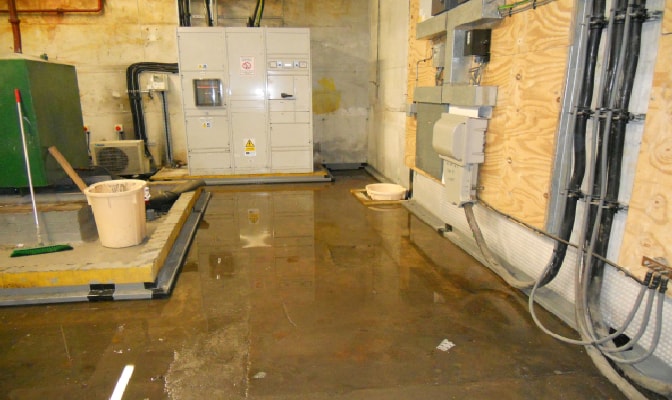
Groundwater flooding can cause similar concerns to river flooding, but is particularly damaging to basements and lower-ground structures. One-off flood events increase hydrostatic pressure for a short period before draining away. Conversely, groundwater flooding creates constant periods of increased hydrostatic pressure. If left untreated, this pressure can erode cellar tanking systems, causing defects where water can penetrate.
Long-term moisture exposure can also adversely affect a wall above ground level. Groundwater flooding can provide moisture for rising damp to become a factor. Even if a Damp Proof Course (DPC) is installed within the wall, significant water levels could rise above the DPC and render it ineffective.
When Does Flooding Becomes a Structural Repair Issue?
If your property has suffered from flood damage or is prone to leaks (especially in lower ground or basement areas), your property may be at risk of further structural damage if these defects aren’t corrected. You should look out for these warning signs periodically during inspections:
- Cracking or crumbling of concrete, mortar or brickwork in walls.
- Warping or cracking in structural timbers like floorboards or ceilings.
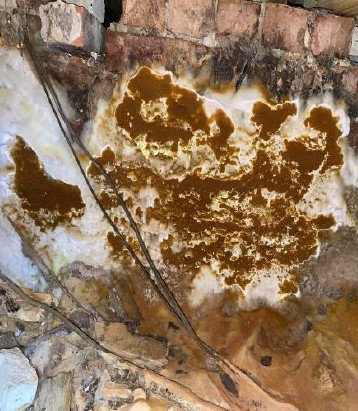
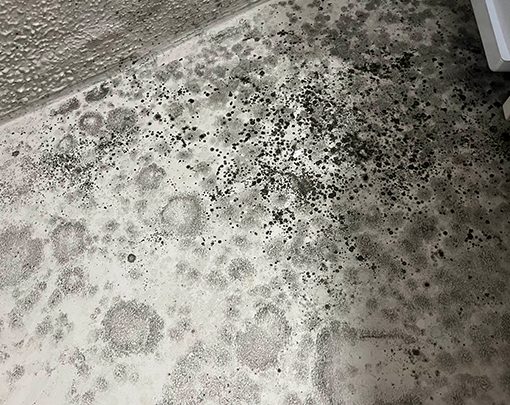
- Damp staining on interior walls where moisture ingress has occurred.
Structural inspections are integral to ensure the continued health of your property. You should inspect your property periodically for leaks or other defects, and after each flood event if your property has a history of flood damage.
Catching and resolving defects early is often more cost-effective than if a defect is left to cause more damage over time. Some defects are relatively inexpensive to treat, and early concrete and timber repairs can restore structural integrity to a property relatively quickly. Leaving these defects to cause more issues will result in more invasive structural repairs, leading to disruptions for a building’s inhabitants, whether these are living or business spaces.
Drying the property (such as with an industrial dehumidifier) might provide a temporary reprieve. However, solutions such as these only treat the symptoms of damp and flooding, and don’t remediate the underlying defects.
How can Timberwise Help With My Flooding Concerns?
Timberwise are the industry leaders in property care and maintenance. Specialising in damp and rot prevention for over 55 years, our specialist surveyors and technicians are also experts in treatments ranging from bespoke waterproofing solutions to structural repairs. Our work in wall tie installations, crack stitching, concrete repairs, and wall stabilisation ensures your property remains watertight and structurally sound.
We welcome you to read some case studies on some of our successes in London, including the installation of a basement waterproofing solution in Islington Square and damp treatment in a retail space in South Belgravia.
Conclusion
London properties are at significant ongoing risk of structural damage due to the city’s predominantly clay soil composition. This material is less permeable, meaning that any groundwater or flood water is more likely to remain on the surface for longer, causing issues such as penetrating damp or rot. If left untreated, easily treatable defects can turn into significant structural repairs, causing disruption to both businesses and residential dwellings within a building.
Proactive maintenance is essential for the continued health of your property, and catching and treating defects early is often more cost-effective than papering over the cracks. Other solutions such as drying out a property or using industrial dehumidifiers only treat the symptoms of flooding, and do not solve the underlying issues within a building.
You should have your property professionally assessed periodically, especially if you’re in a high-risk area for flooding. You can arrange an assessment to have one of our expert surveyors attend your property to assess its current conditions and provide remedial solutions that solve the fault for good.
FAQs
Is London Clay Soil Prone to Flooding?
Yes, London Clay’s low permeability and its poor natural drainage make buildings built on it prone to flood risks. This can be from nearby river systems, or from increased surface and groundwater which can cause penetrating damp. Urban redevelopment reduces the amount of permeable soil for water to soak through, creating increased pressure on sewers and wastewater drains to reduce the amount of surface water.
How Does Flooding Affect Building Foundations in London?
London’s clay soil has a lower saturation point, making excess water drain away slowly. This can increase hydrostatic pressure on underground masonry, leading to defects forming on the internal walls. Flooding in clay soil can also cause foundational movement and differential settlement. Clay is a softer material than bedrock, so it is prone to shifting under heavy weight. This is especially true if the soil is moisture rich or if it hasn’t been sufficiently compacted prior to construction. Subsidence and building shifts can leak to cracking masonry further up a wall due to the increased pressure on retaining walls.
Can Flooding Cause Long-Term Structural Damage to Commercial Buildings?
Yes, prolonged exposure to moisture, either from persistent flooding or a leak, is likely to cause damage to any material if given enough time. Timber such as floorboards or ceilings are susceptible to fungal decay; concrete can crack or crumble away; and steel wall ties can corrode. Each of these concerns is the product of constant moisture ingress into a building, and can cause significant structural damage if left untreated.
What Types of Structural Damage are Common After Flooding in London?
There are several common types of structural damage after flooding, including:
- Timber rot or weakening to floorboards, lintels, or other structural timbers.
- Concrete cracking and spalling
- Masonry movement and cracking
- Wall tie corrosion and deterioration
What is groundwater flooding and why is it a risk in London?
Groundwater flooding is caused when excess water within the ground cannot drain away effectively. This differs from surface water flooding, where rain and other wastewater deflects off impermeable stone, tarmac or paving and drains away either through an installed drain or through a building defect. Groundwater flooding is common in London’s clay-rich soil, where water cannot drain away as quickly due to clay’s density and decreased permeability. This creates hydrostatic pressure behind basement walls, and over time can lead to an increased risk of structural defects developing.
Do Commercial Buildings in London Need Structural Inspections After Flooding?
Yes, you should have your building inspected periodically, especially after a flood or if your building is in a high-risk area for flooding. Early identification of defects reduces disruptions to a building’s business and residential inhabitants, as well as a reduction in overall costs. Lack of due diligence and inspection to at-risk areas can also cause concerns with buildings insurance coverage. Short-term solutions such as drying after a flood only treat a symptom of flooding and not the root cause.
Can Flooding Lead to Wall Tie Failure in London Properties?
Yes, wall ties can fail due to flooding. This is because the steel used in wall ties is susceptible to corrosion if left untreated. A corroded wall tie cannot properly support the wall, and could lead to movement and cracking over time. It’s important to have your property professionally investigated if you have any suspicion of wall tie failure.